Chemical Storage Tank Fittings
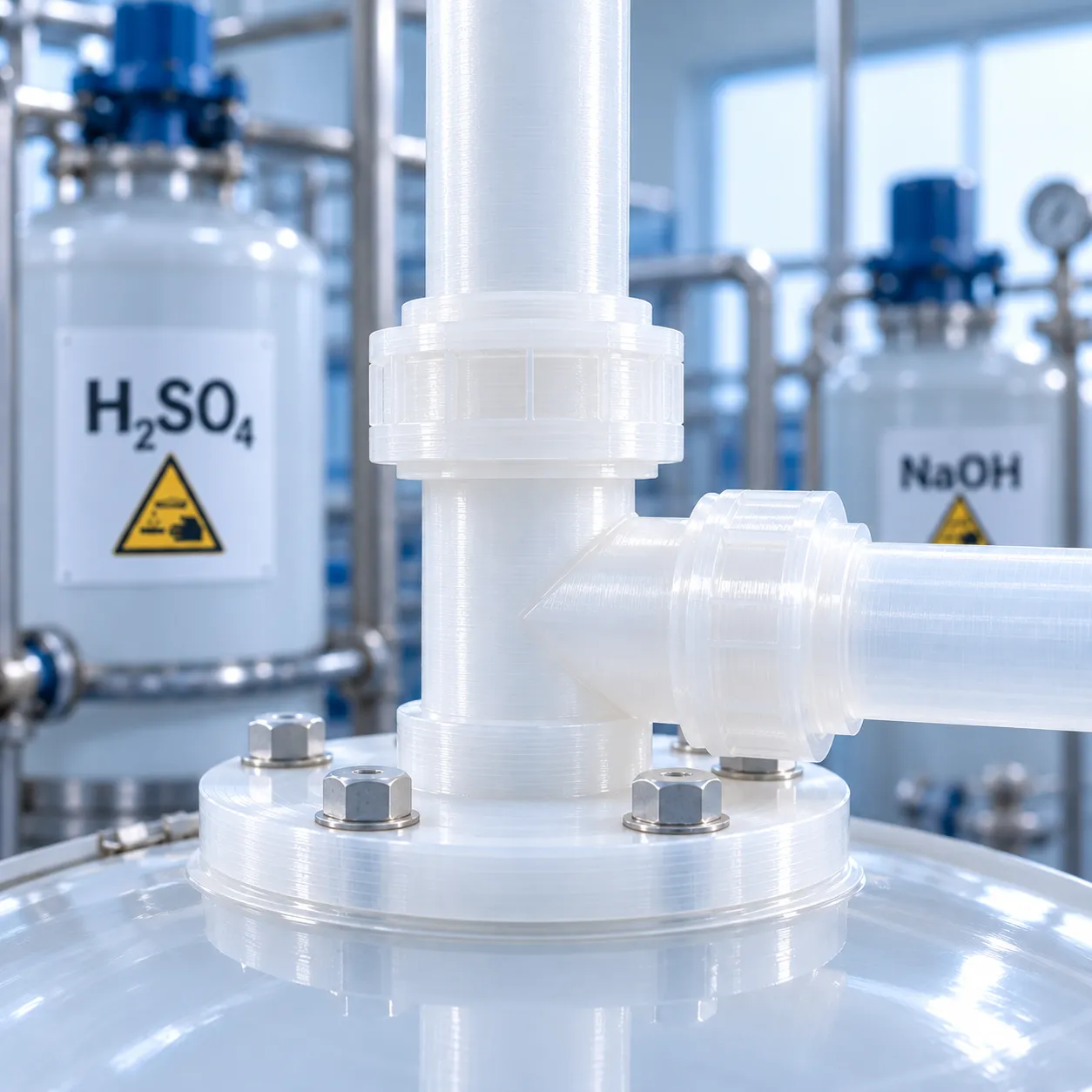
Material advantages: PPpro™ offers long-term resistance to strong acids and alkalis. It remains uncorroded and undeformed even in contact with hydrochloric acid, sulfuric acid, and sodium hydroxide solutions.
Print value: Traditional connectors require costly and time-consuming injection molding. 3D printing enables on-demand customization, fast delivery for small batches, and same-day printing for urgent repairs, significantly reducing equipment downtime.
View the full case study
Electroplating Plating Jigs
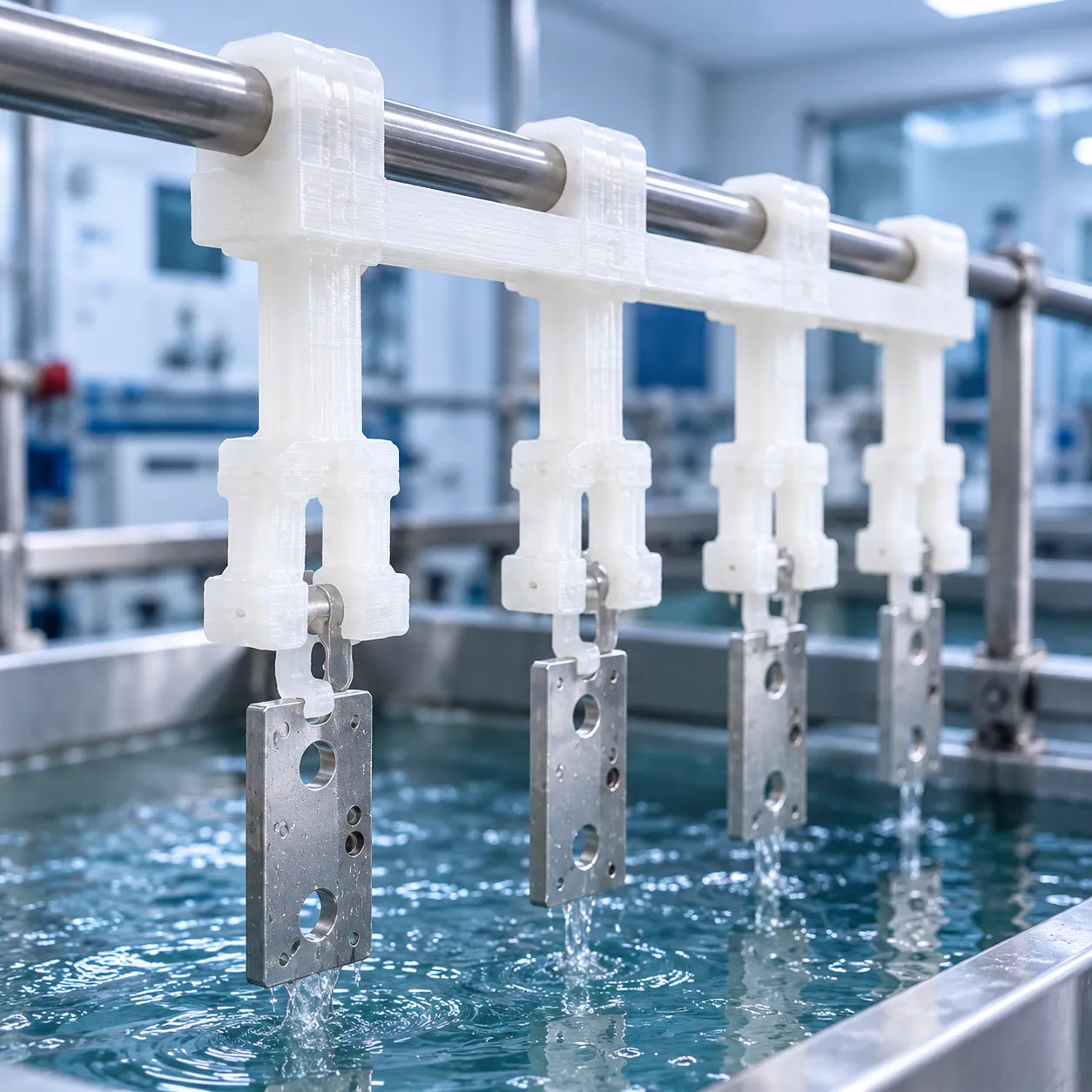
Material advantages: PPpro™ is highly resistant to electroplating chemicals (e.g., chromic acid, cyanide). Additionally, PP is naturally non-conductive, providing excellent electrical insulation.
Print value: Complex shapes and varied specifications make traditional machining for electroplating fixtures expensive. 3D printing allows flexible, on-demand customization of various sizes and shapes, ultimately saving tooling inventory costs.
View the full case study
Lab Ventilation Duct Parts
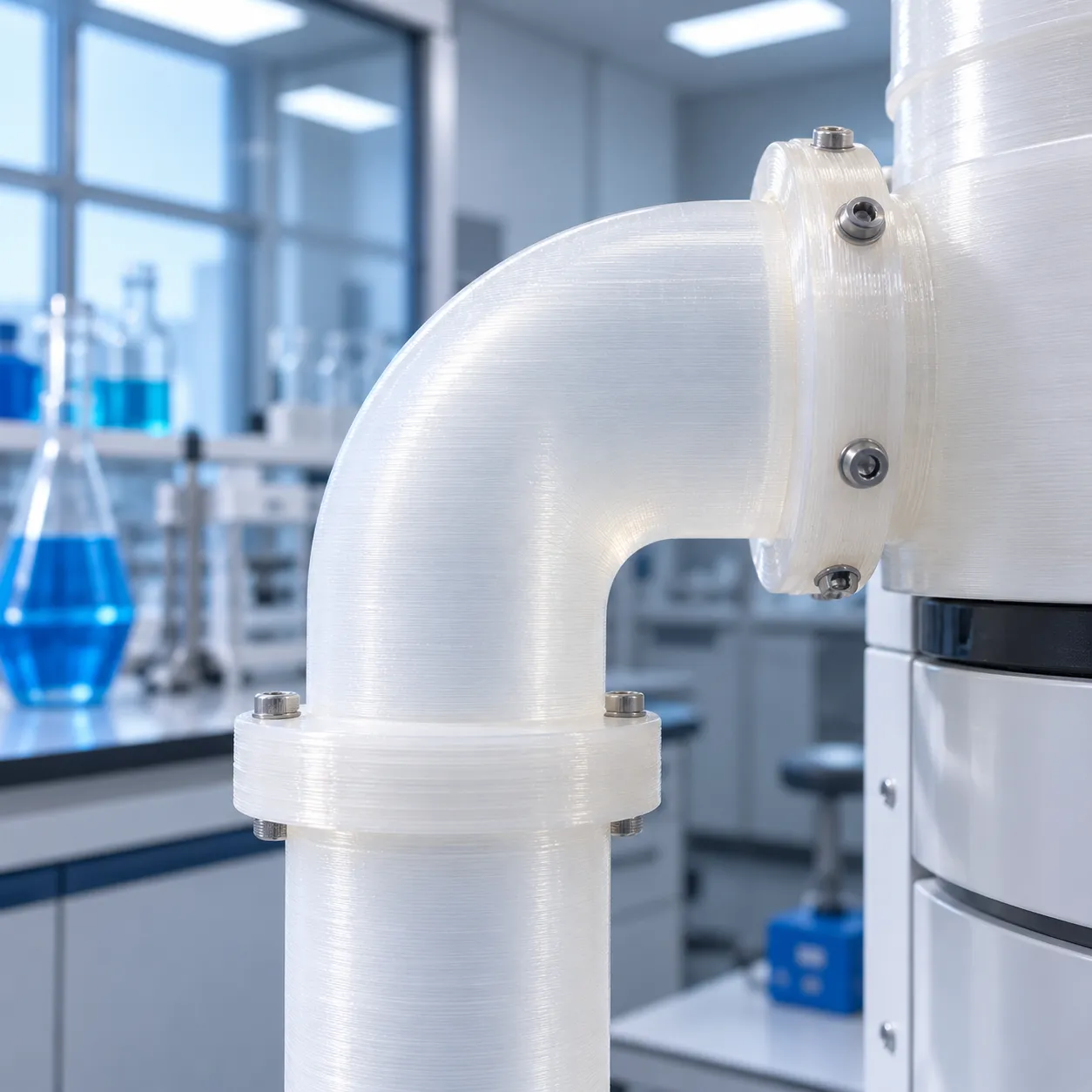
Material advantages: PPpro™ resists acids, alkalis, and volatile gases (such as nitric acid and hydrochloric acid vapors). It will not become brittle or powdery over time.
Print value: Lab ventilation ducts often require varied specifications in low volumes, making mold-making uneconomical. 3D printing provides on-demand production to quickly meet non-standard size requirements. The smooth, easy-to-clean PP surface is ideal for laboratory environments.
View the full case study
Chemical Pump Body Impeller
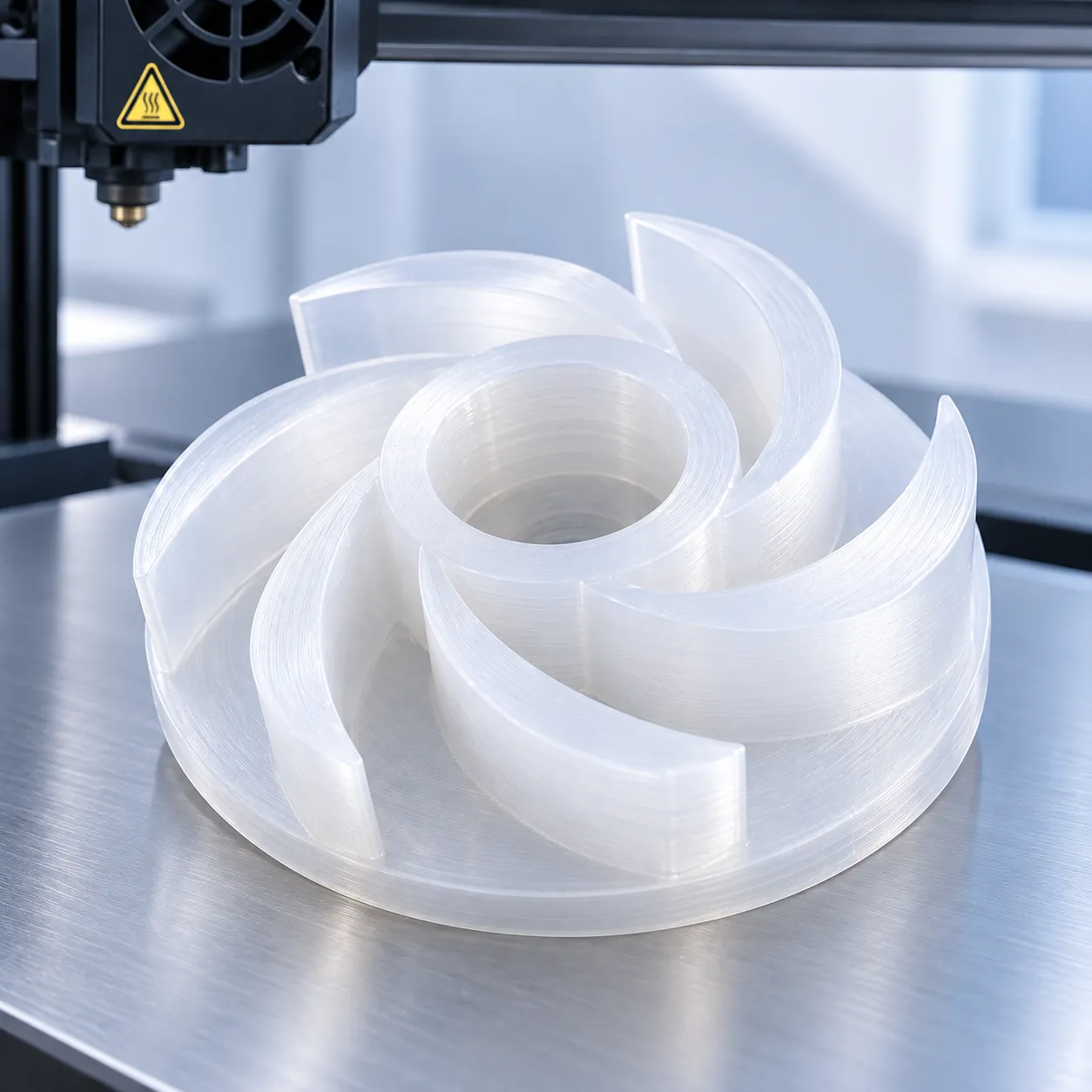
Material advantages: PPpro™ offers excellent chemical resistance and low density (0.9g/cm³). Its low rotational inertia ensures a faster response time.
Print value: The complex geometry of impellers makes traditional CNC machining difficult and expensive. 3D printing enables printing as a single piece without assembly, allowing for rapid design iterations to optimize fluid efficiency for specific working conditions.
View the full case study
Wastewater treatment aeration disc
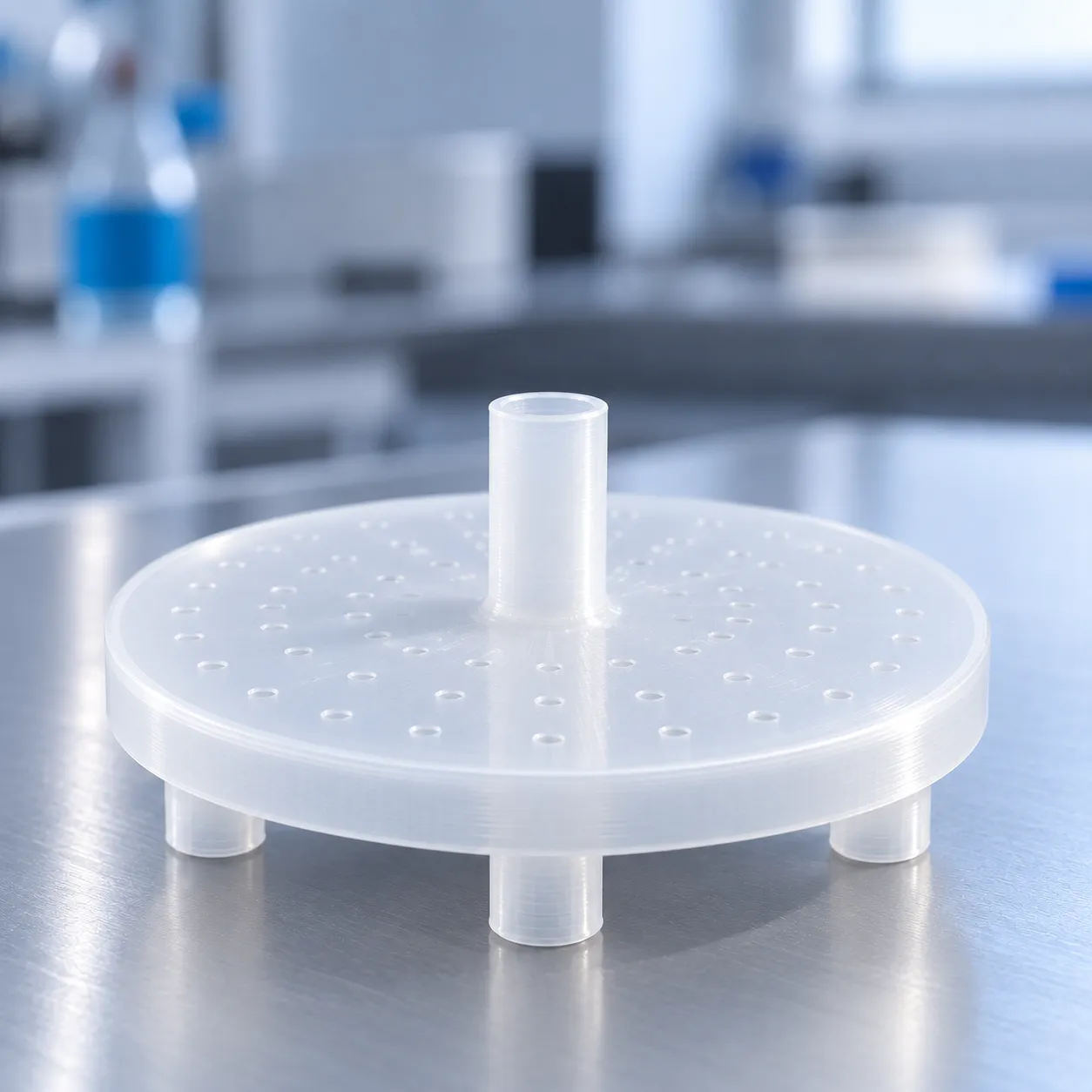
Material advantages: PPpro™ resists the acidic and alkaline components found in wastewater and prevents microbial attachment. It will not hydrolyze or degrade even after prolonged immersion in water.
Print value: Hole distribution is critical for aeration efficiency. 3D printing allows for precise control over hole size and spacing, enabling customized aeration solutions that significantly improve wastewater treatment efficiency.
View the full case study
Chemical plant safety protection cover
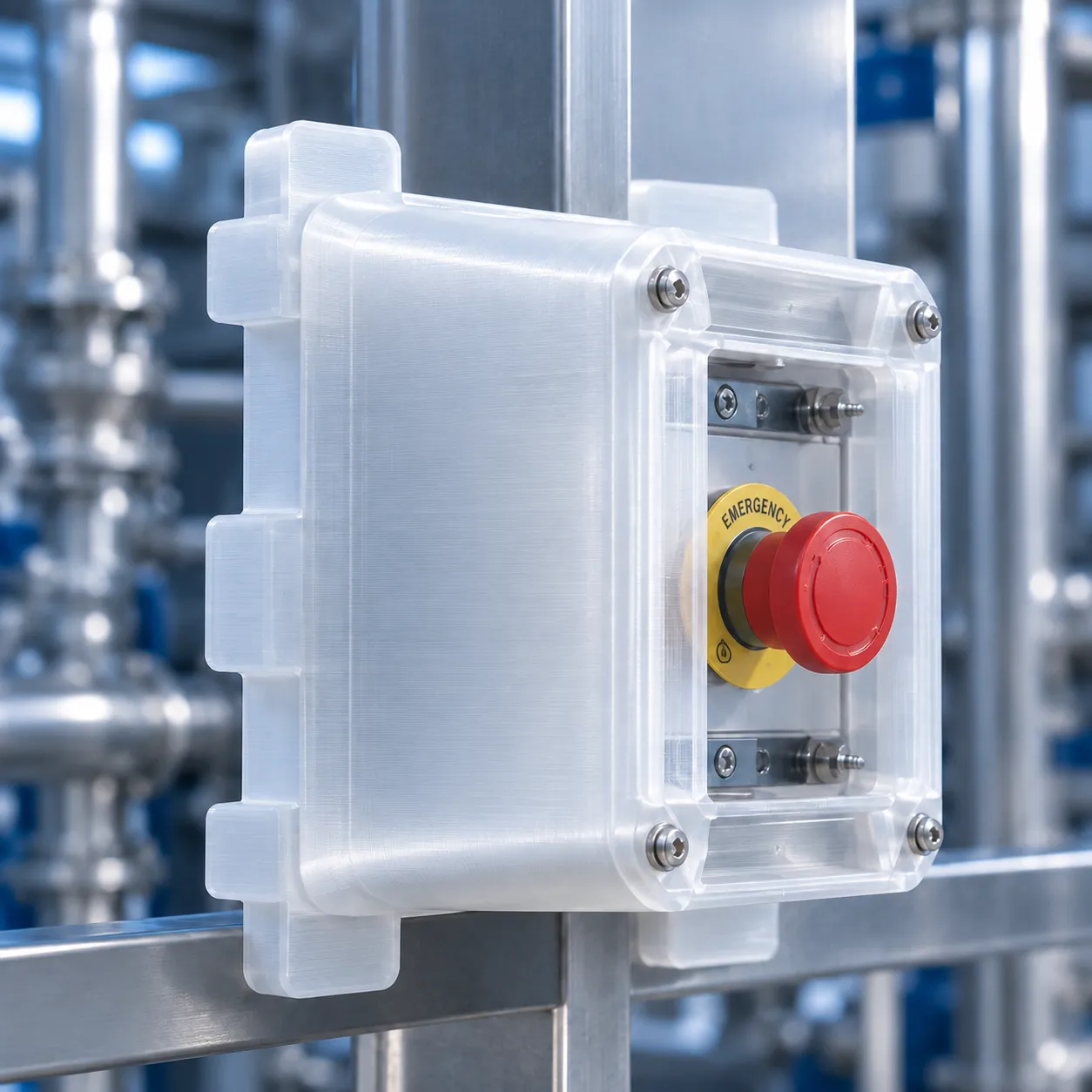
Material advantages: PPpro™ withstands chemical splashes and harsh weather, making it ideal for long-term outdoor and chemical exposure.
Print value: Since on-site equipment varies in size, standard protective shields rarely fit perfectly. 3D printing allows for on-site measurement, rapid modeling, and printing to create custom-fitted protective solutions with better sealing and protection.
View the full case study
Chemical-resistant Parts
Withstands acids & alkalis. Stable for the long haul. Zero corrosion failure.
PP inherently boasts excellent chemical resistance, making it an ideal material for contact with acidic or alkaline media in industrial applications. However, traditional PP is difficult to 3D print, limiting its practical use. PPpro™ modifies the formulation to maintain this inherent corrosion resistance while enabling stable printing on desktop-grade FDM equipment. The printed parts can withstand prolonged exposure to harsh chemicals—including hydrochloric acid, sulfuric acid, sodium hydroxide, and chromic acid—without deformation, brittleness, or degradation. From storage tank fittings to electroplating fixtures and lab ventilation ducts, PPpro™ makes the on-demand manufacturing of chemical-resistant parts a reality.
Explore More Applications