pp-recycling-number-5-clean-container-recycled-pellets

Recycling Code 5: How Is PP Recycled?

11/10/2026

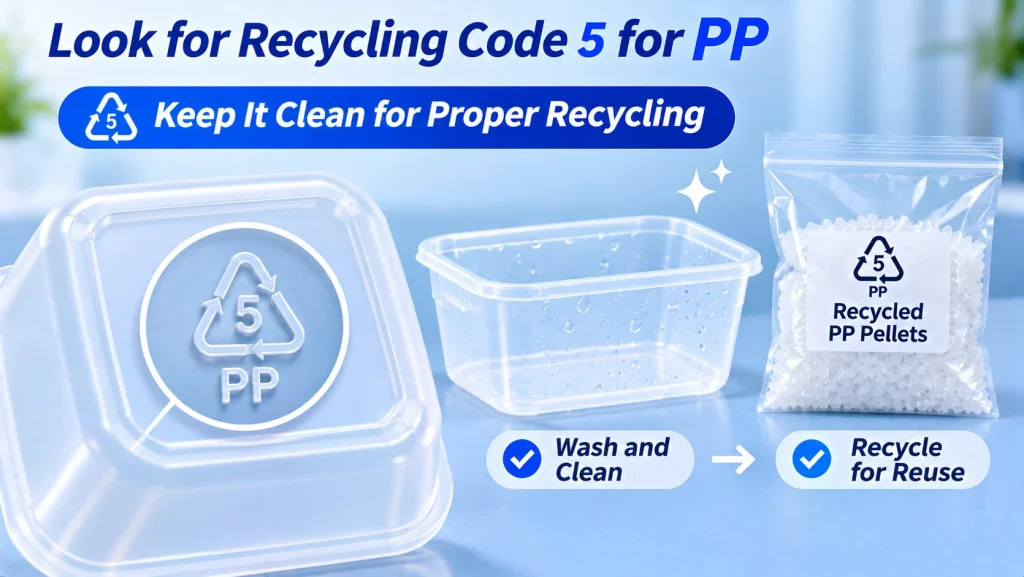
Inside the triangular symbol on the bottom of a plastic product, the number 5 stands for PP. In theory PP is recyclable: after collection it can be turned into regrind for crates, pallets, flower pots and the like. But "recyclable" does not mean "actually recycled" — oil contamination, mixed materials and the collection system all affect where it ends up. This article explains how PP is recycled, where the process breaks down, and the story of chemical recycling behind 3D printing filament.
pp-food-container-microwave-safe-number-5-lid-off

Why PP Food Containers Are Microwave-Safe

11/07/2026

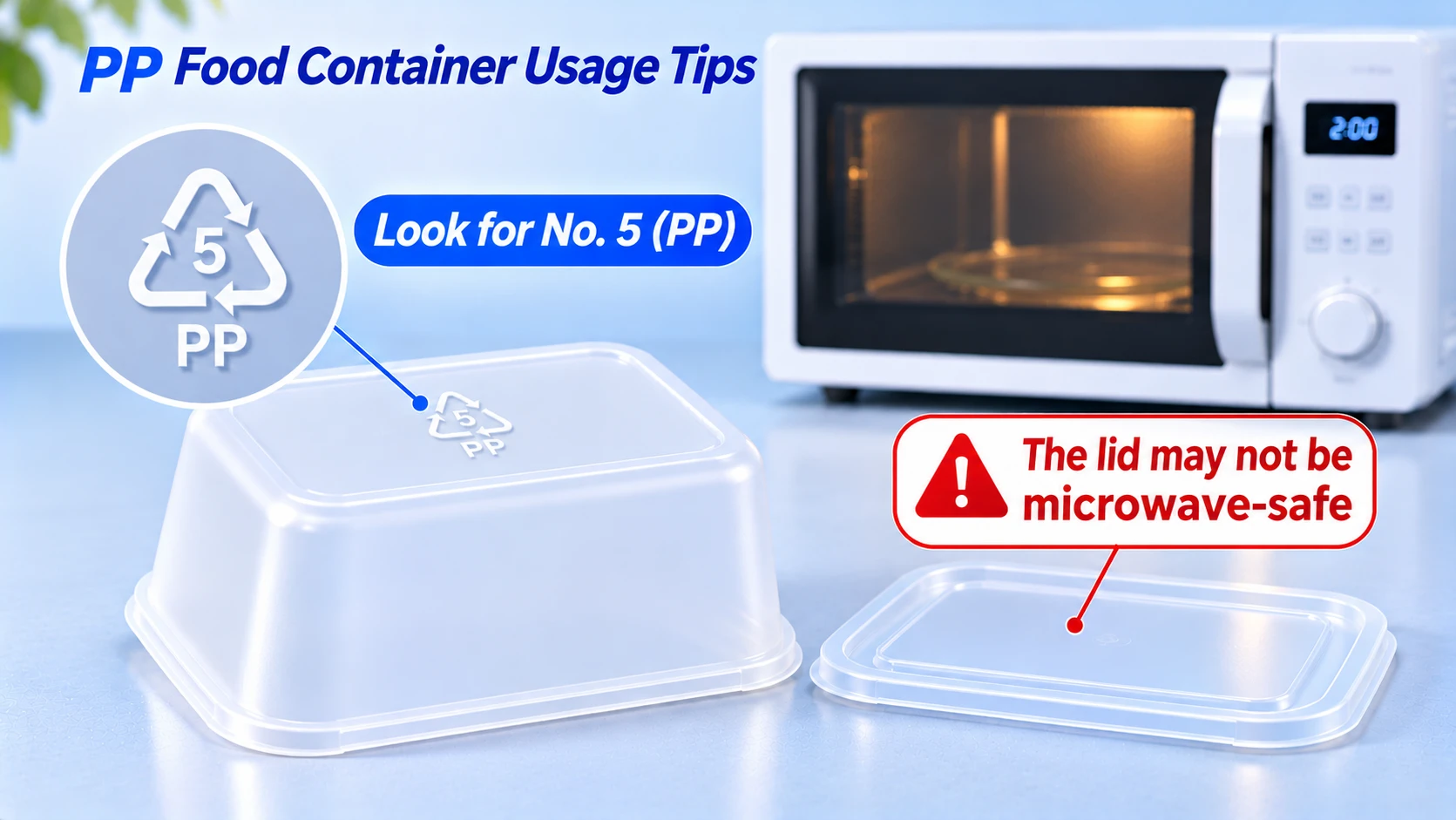
Most microwaveable food containers are made of PP: sufficient heat resistance, no plasticizers, and strong chemical inertness. But that doesn't mean every PP container can go straight into the microwave—lid material, oily or high-sugar foods, and whether a "microwave-safe" label is present are all easy pitfalls. This article explains why PP works in the microwave, and the few things you must watch out for when using it.

pp-vs-pe-difference-food-container-plastic-bag

PP vs PE: How to Tell Them Apart at a Glance

11/04/2026

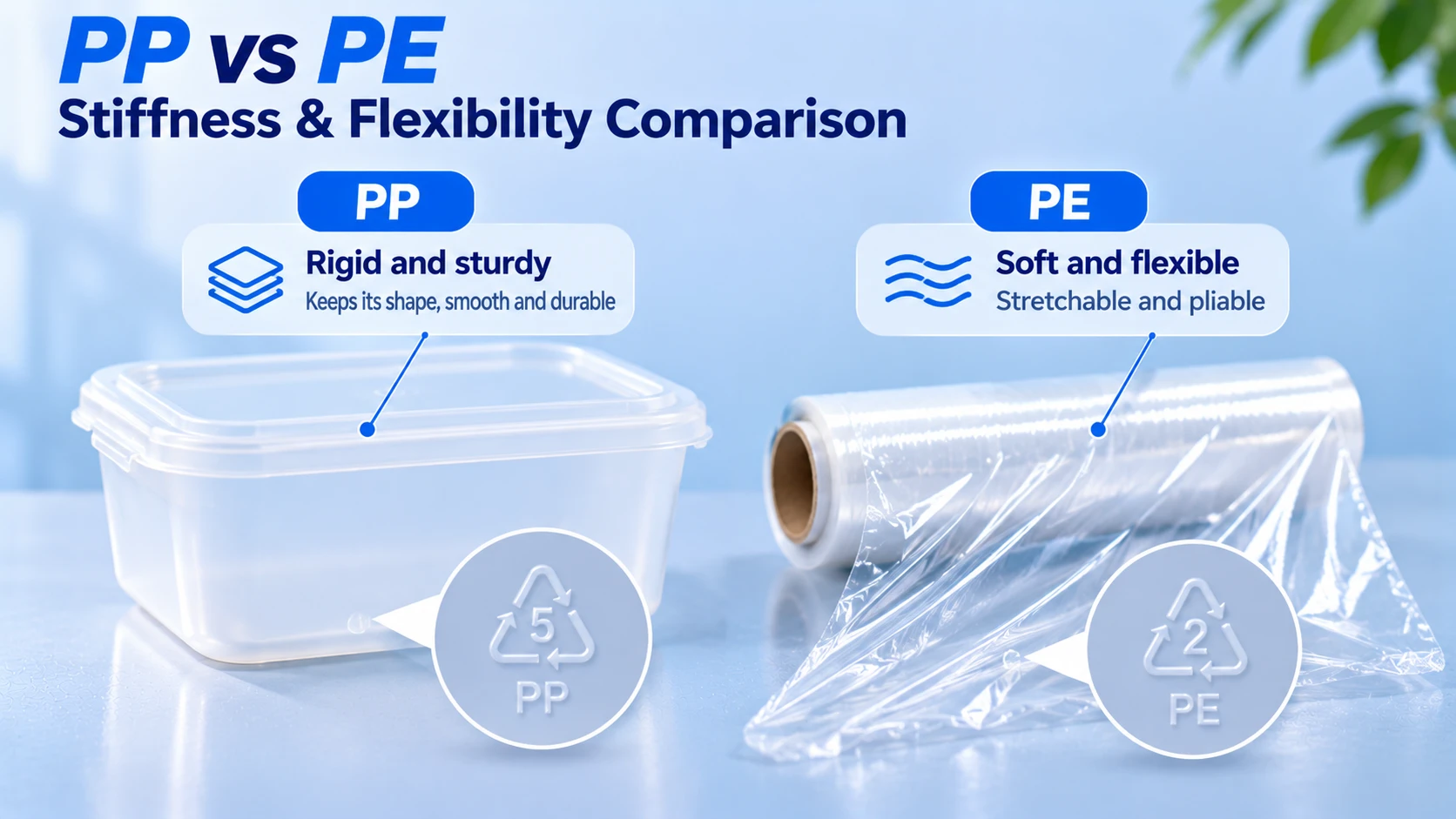
PP and PE are close relatives—both made only of carbon and hydrogen and neither containing chlorine or BPA. The difference lies mainly in rigid versus soft: PP is harder and more heat-resistant, while PE is softer and more cold-resistant. This article clarifies how to tell them apart and the practical ways to identify them at a glance.

what-is-polypropylene-pp-products-recycling

What Is PP? Understanding Polypropylene at a Glance

10/31/2026

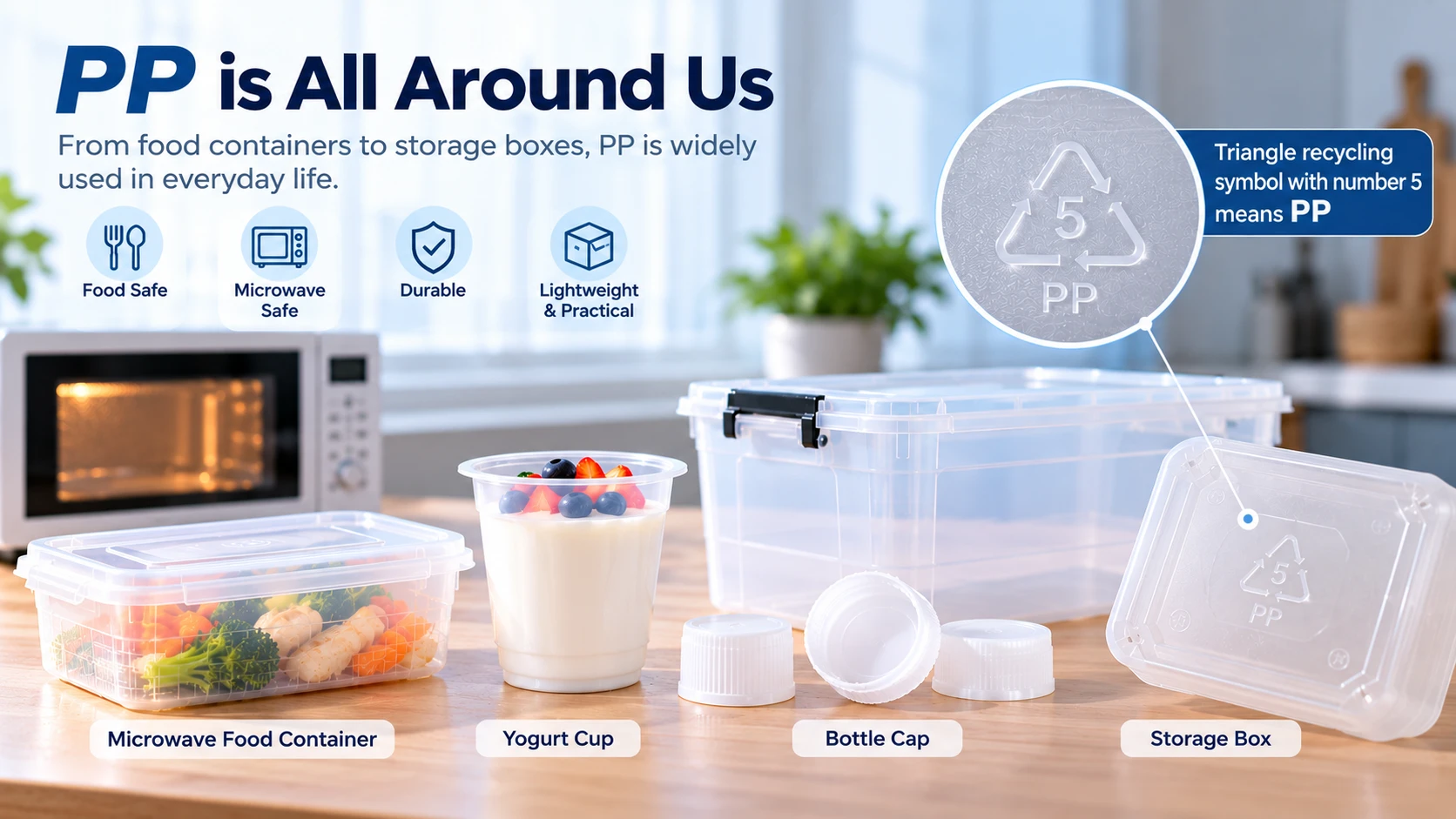
This article provides a comprehensive overview of PP (polypropylene), analyzing its properties from chemical structure to lightness, heat resistance, and chemical resistance, and discusses its advantages in 3D-printed functional parts when combined with modified PP filament.**