pp-vs-tritan-baby-bottle-comparison-transparency

PP or Tritan for Baby Bottles: How to Choose

11/06/2026

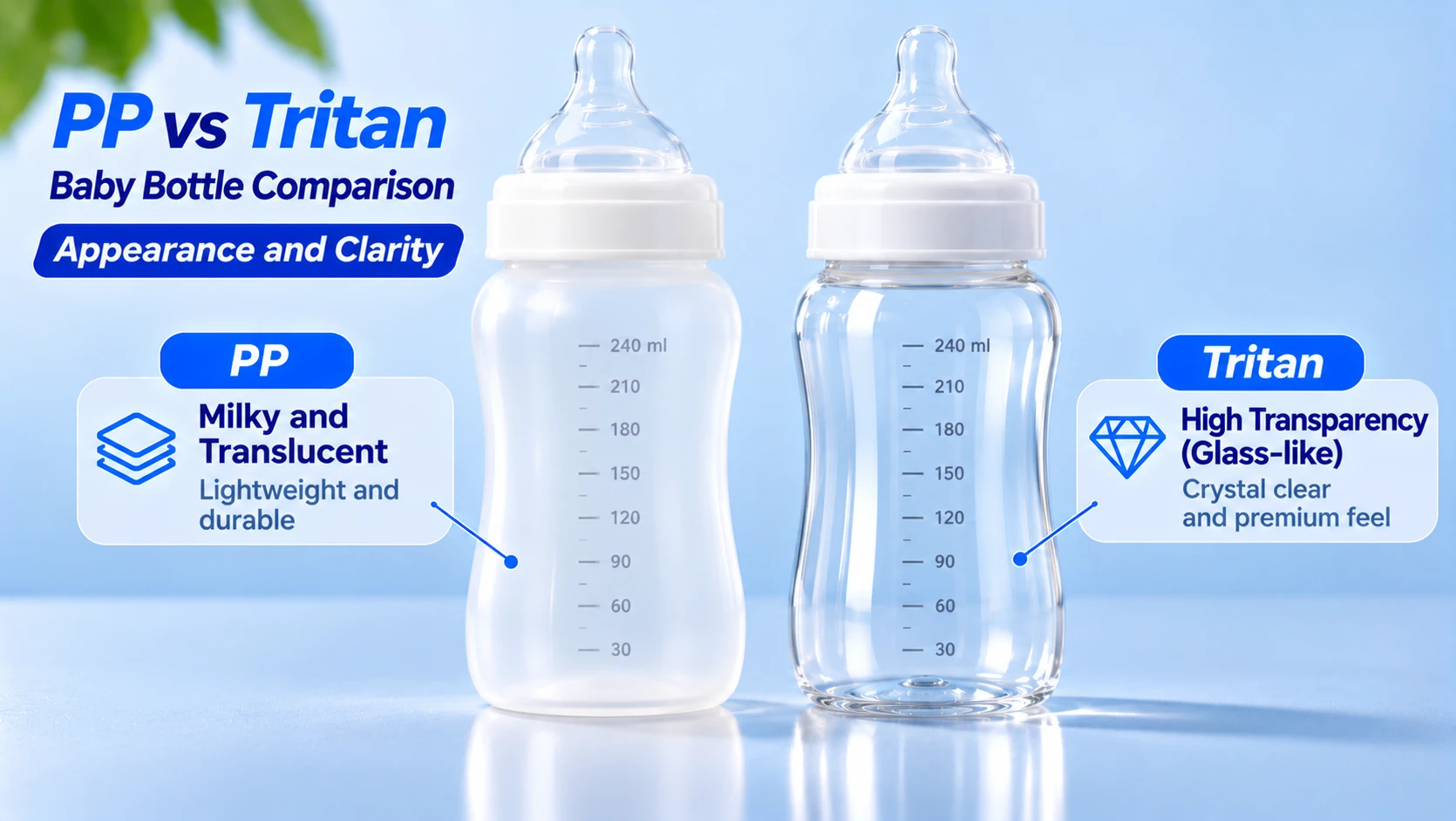
Baby bottles commonly come in three materials: PP, Tritan, and glass. PP is cheap, light, and drop-resistant; Tritan is clear as glass but costs more. This article lays out the core differences between PP and Tritan, and how to choose for different budgets and usage habits.
pp-vs-ps-difference-food-container-foam

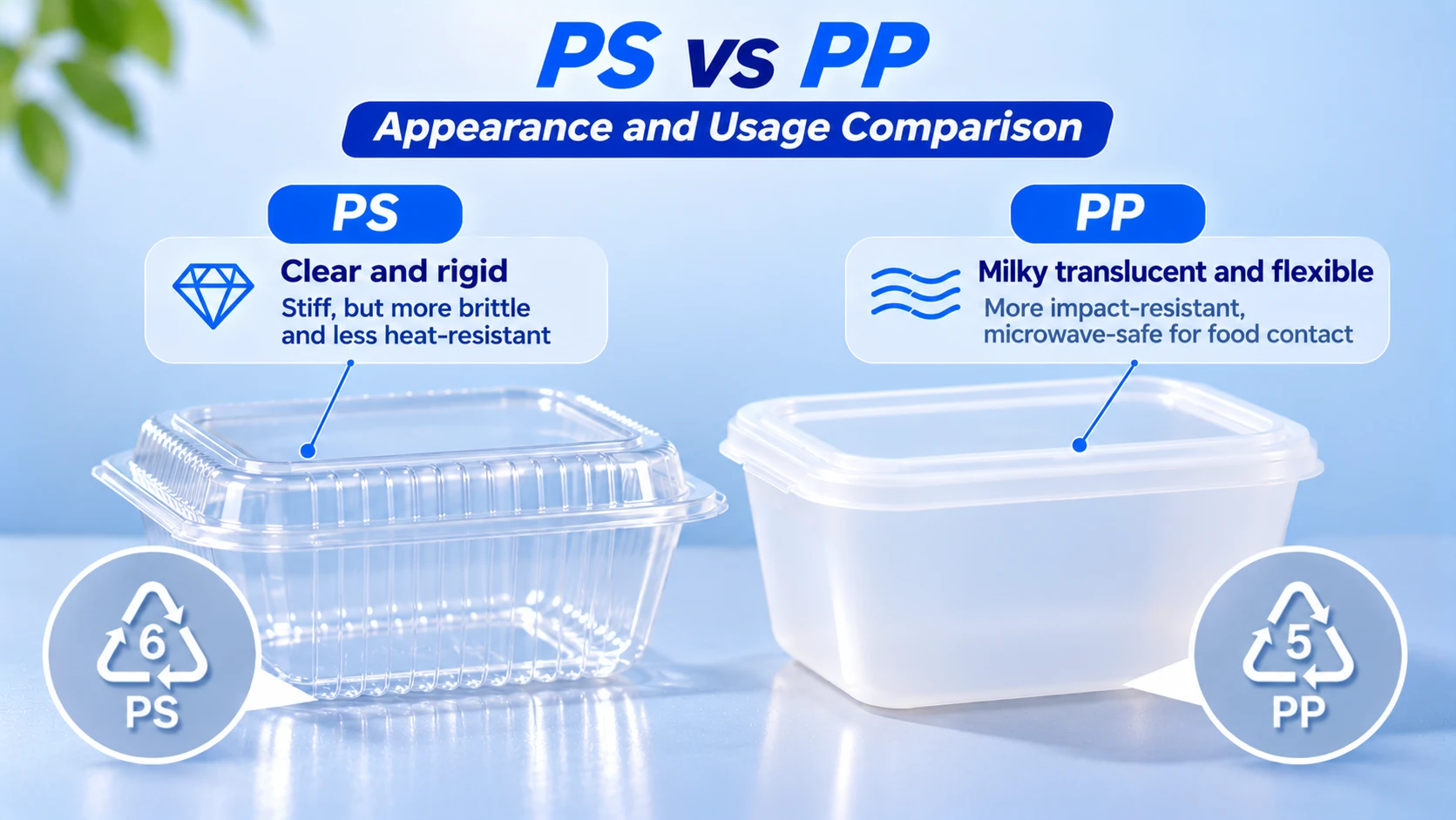
PP vs PS: What’s the Difference

11/05/2026

PS and PP are both widely used in disposable tableware and packaging, but one is brittle, one is tough; one fears heat, one resists it. This article explains their differences across four dimensions—transparency, toughness, heat resistance, and oil/alcohol resistance—and why microwave containers are essentially always made of PP.

 pp-vs-pet-bottle-food-container-difference

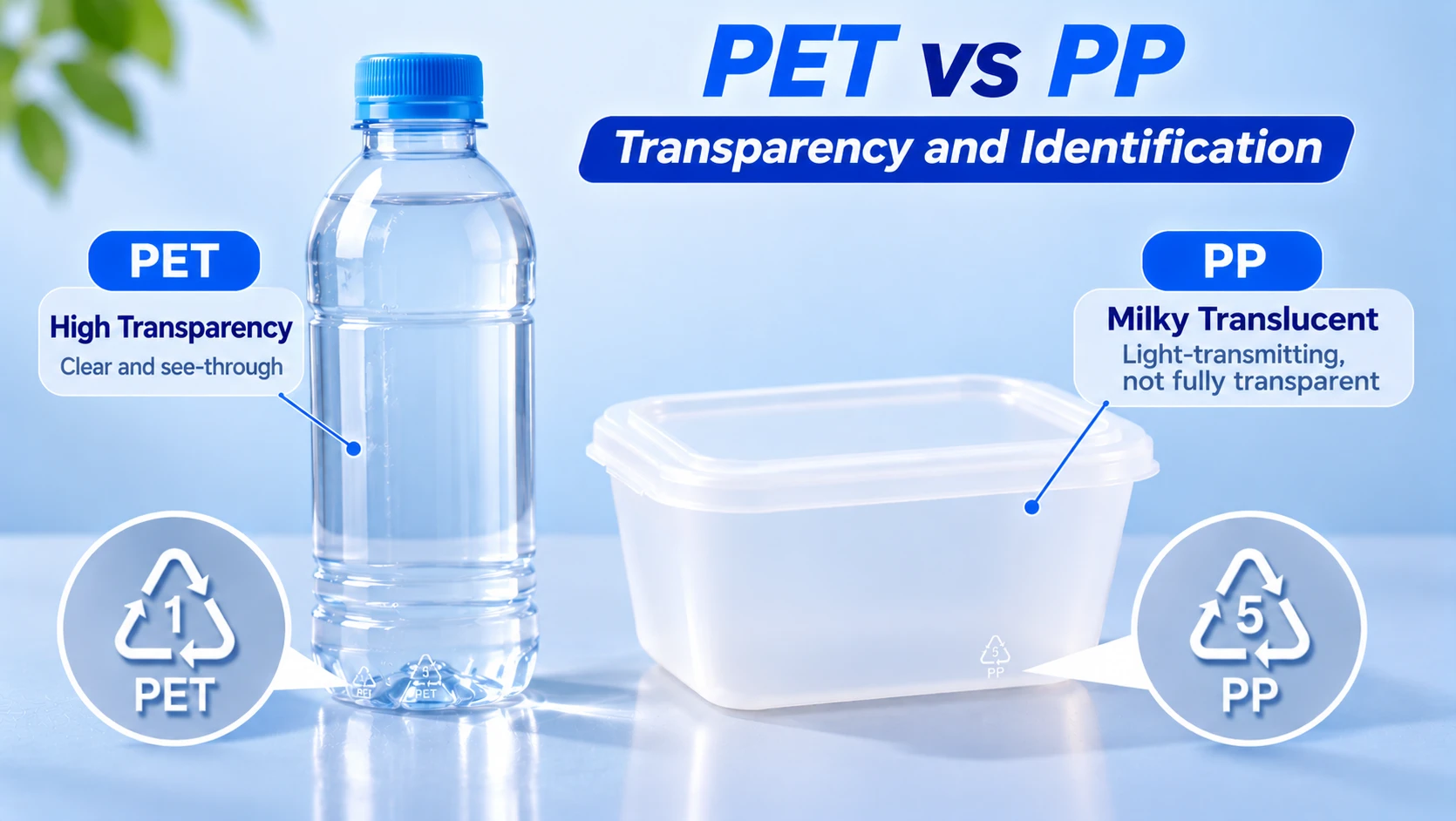
PP vs PET: Why Drink Bottles and Food Containers Use Different Plastics

11/05/2026

Drink bottles are mostly PET and microwave containers mostly PP. Why the division of labor between two plastics? This article explains their core differences along two main lines—transparency and heat resistance—and why PET bottles cannot hold boiling water while PP containers can go in the microwave.

pp-vs-pe-difference-food-container-plastic-bag

PP vs PE: How to Tell Them Apart at a Glance

11/04/2026

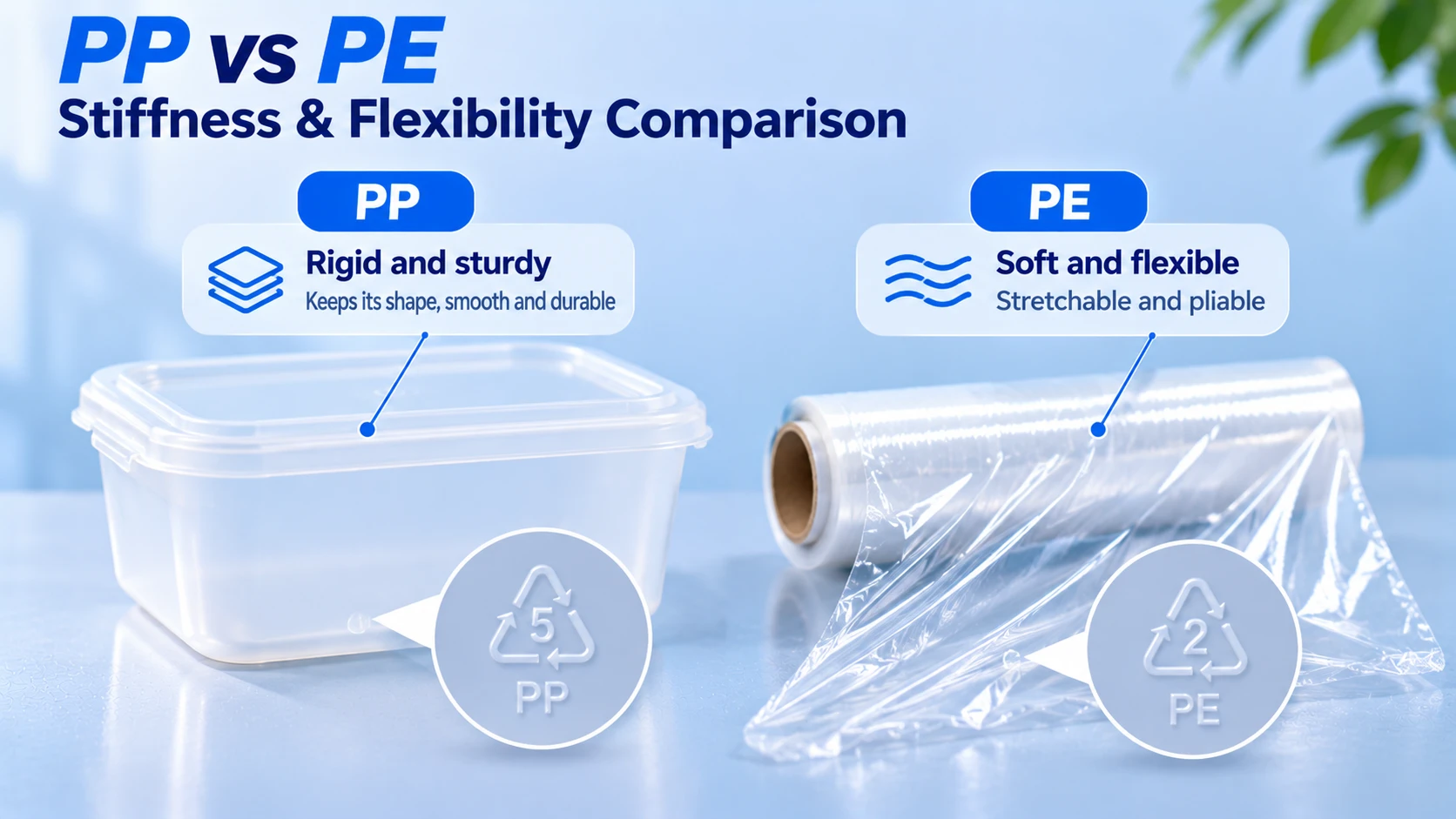
PP and PE are close relatives—both made only of carbon and hydrogen and neither containing chlorine or BPA. The difference lies mainly in rigid versus soft: PP is harder and more heat-resistant, while PE is softer and more cold-resistant. This article clarifies how to tell them apart and the practical ways to identify them at a glance.

 pp-vs-pvc-difference-food-container-cable

PP vs PVC: What's the Difference

11/04/2026

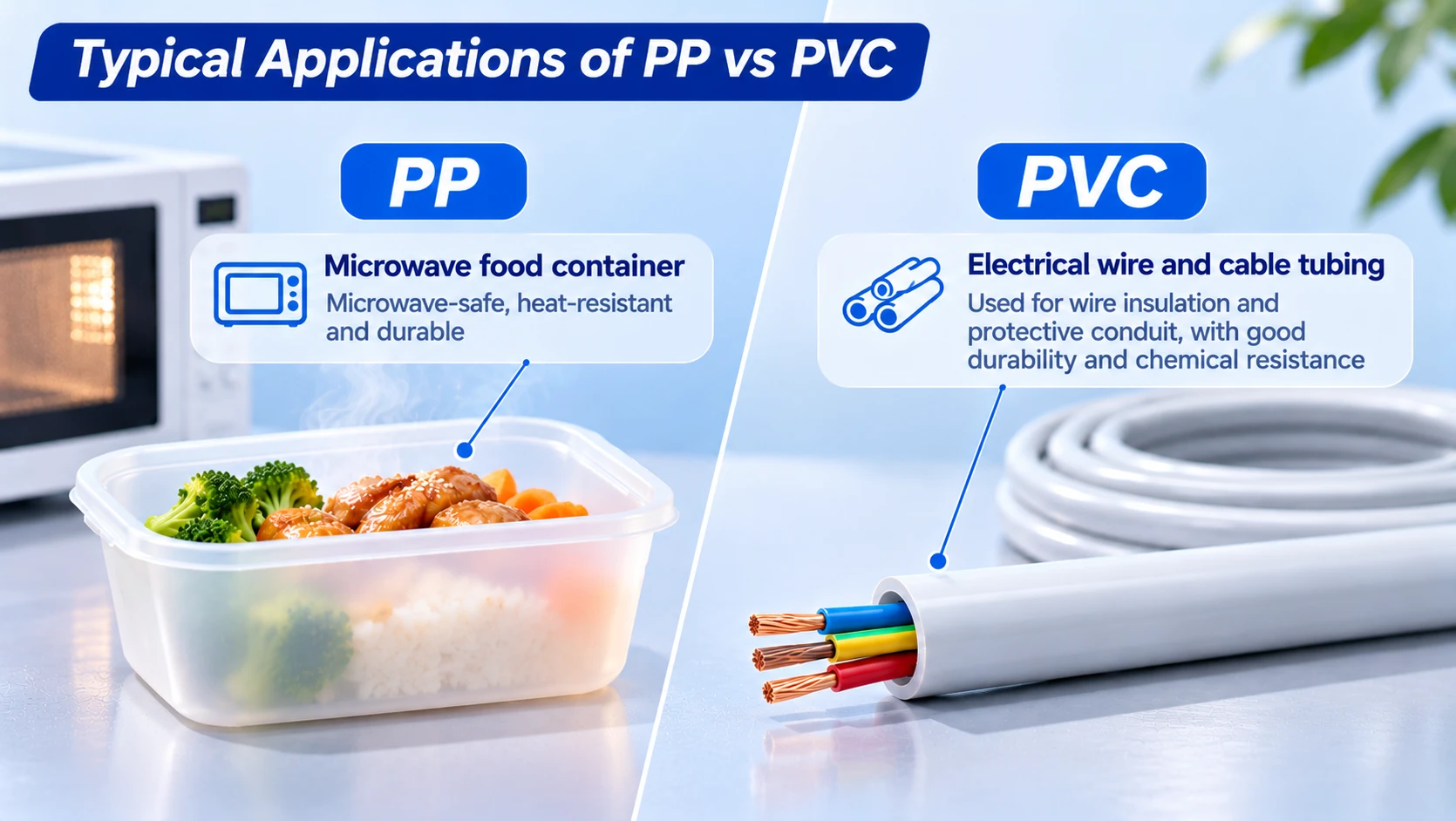
PP and PVC sound similar, but their composition, additives, heat resistance, and uses differ greatly. This article compares their core differences across five dimensions and explains why hot-food packaging is basically PP rather than PVC, as well as what these differences mean for 3D printing material selection.

pp-vs-pc-difference-transparency-comparison

The Core Differences Between PP and PC

11/03/2026

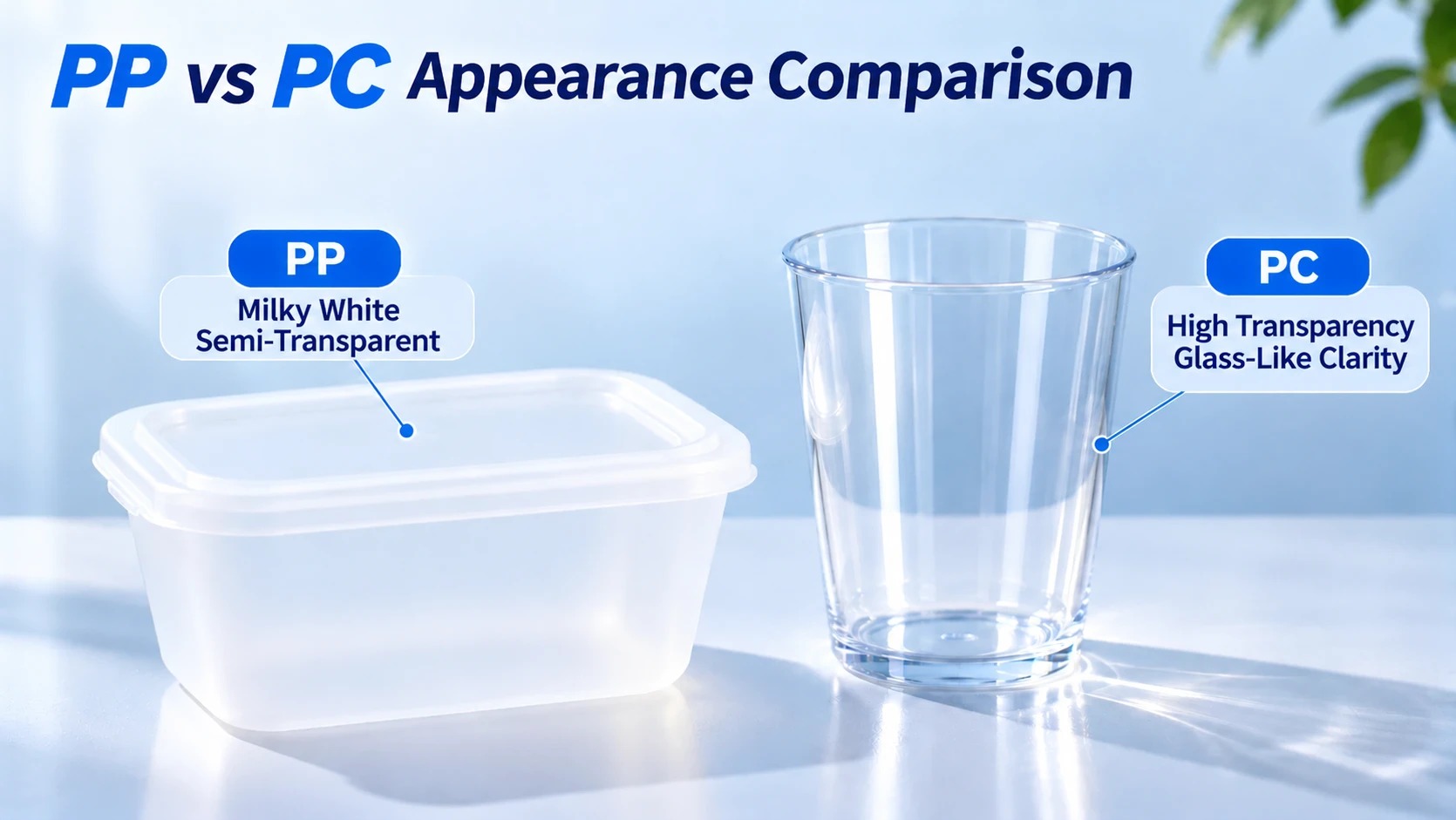
PP and PC are both common plastics, but their raw materials, appearance, performance, and uses differ greatly. This article compares their core differences across five dimensions, offers a basis for material selection, and finally explains what these differences mean for 3D printing.

pp-nonwoven-fabric-medical-mask-three-layers

What Is PP Nonwoven Fabric? And Why Masks Use It

11/03/2026

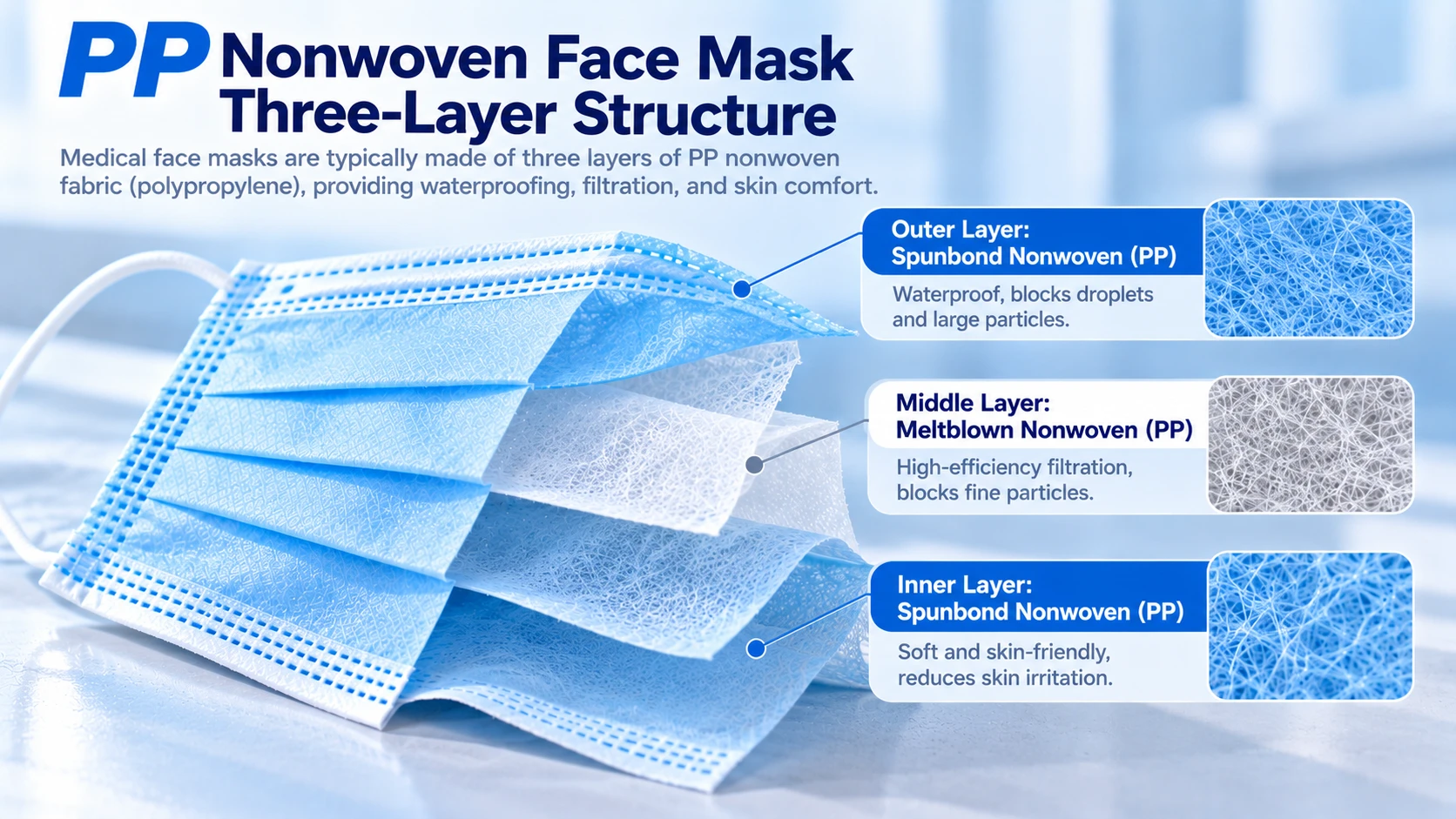
The core material of medical masks is PP nonwoven—not a woven fabric, but one formed by melting PP and laying it into filaments. This article clarifies what PP nonwoven is, what each of the mask's three layers does, and why PP, of all materials.

 pp-molecular-structure-carbon-hydrogen-methyl-branch

PP's Molecular Structure: Why It Consists Only of Carbon and Hydrogen

11/02/2026

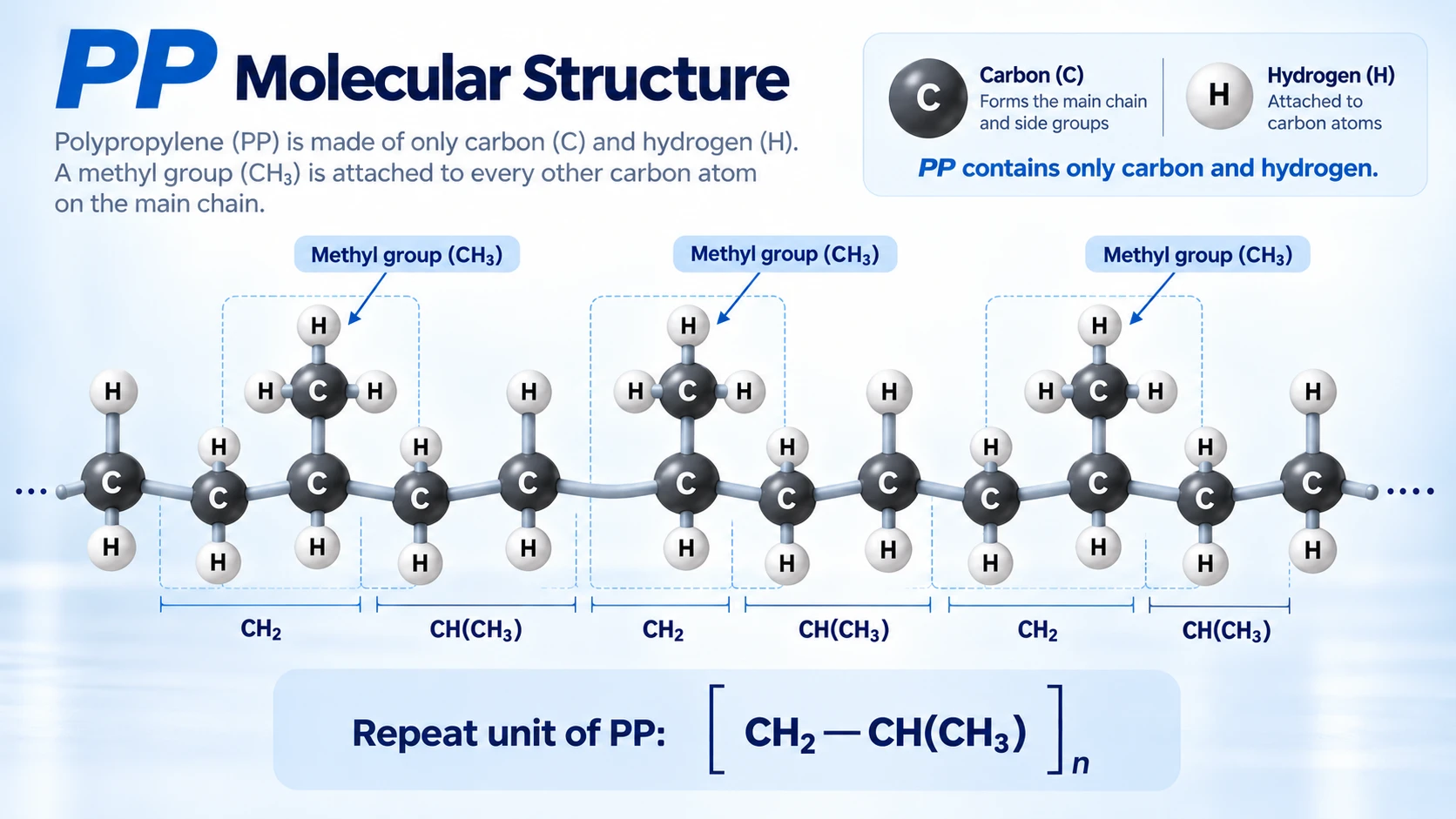
PP's molecular formula is (C₃H₆)ₙ; its backbone consists only of carbon and hydrogen, and its form is a long chain. This article clarifies what its molecular structure looks like, why it has only carbon and hydrogen, and which chemical fundamentals this structure determines.

pp-medical-auxiliary-products-infusion-bottle-syringe

Why PP Is Widely Used in Medical Auxiliary Products

11/02/2026

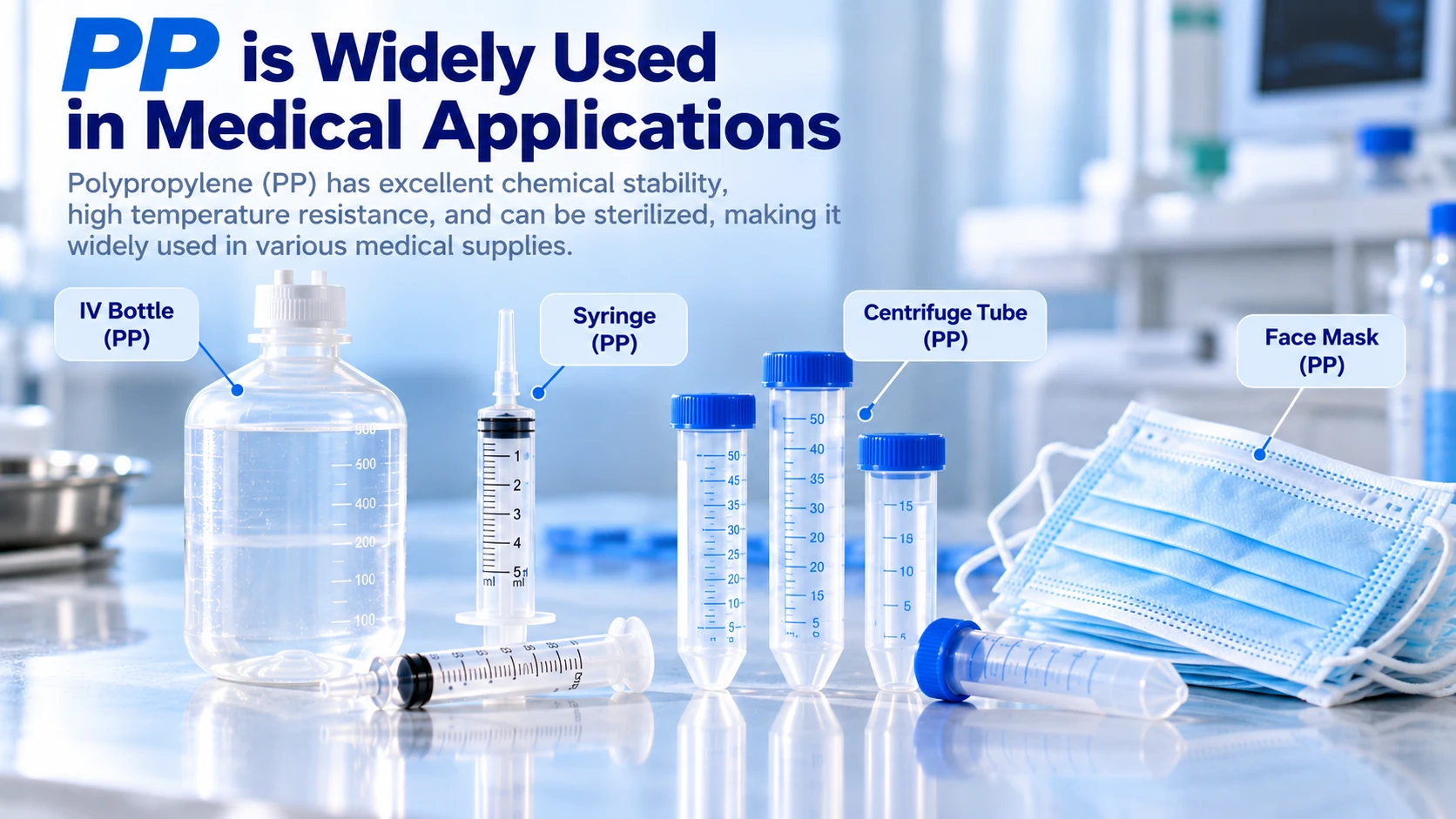
IV bottles, syringes, centrifuge tubes, petri dishes, masks, protective clothing—PP is everywhere in medical settings. This article explains why it is widely adopted by the medical industry—high-temperature sterilization resistance, strong chemical inertness, easy processing, and low cost—and which boundaries must be respected when printing PP medical auxiliary parts.

pp-lowest-density-commodity-plastic-floats-on-water

Why PP Is One of the Lowest-Density Commodity Plastics

10/31/2026

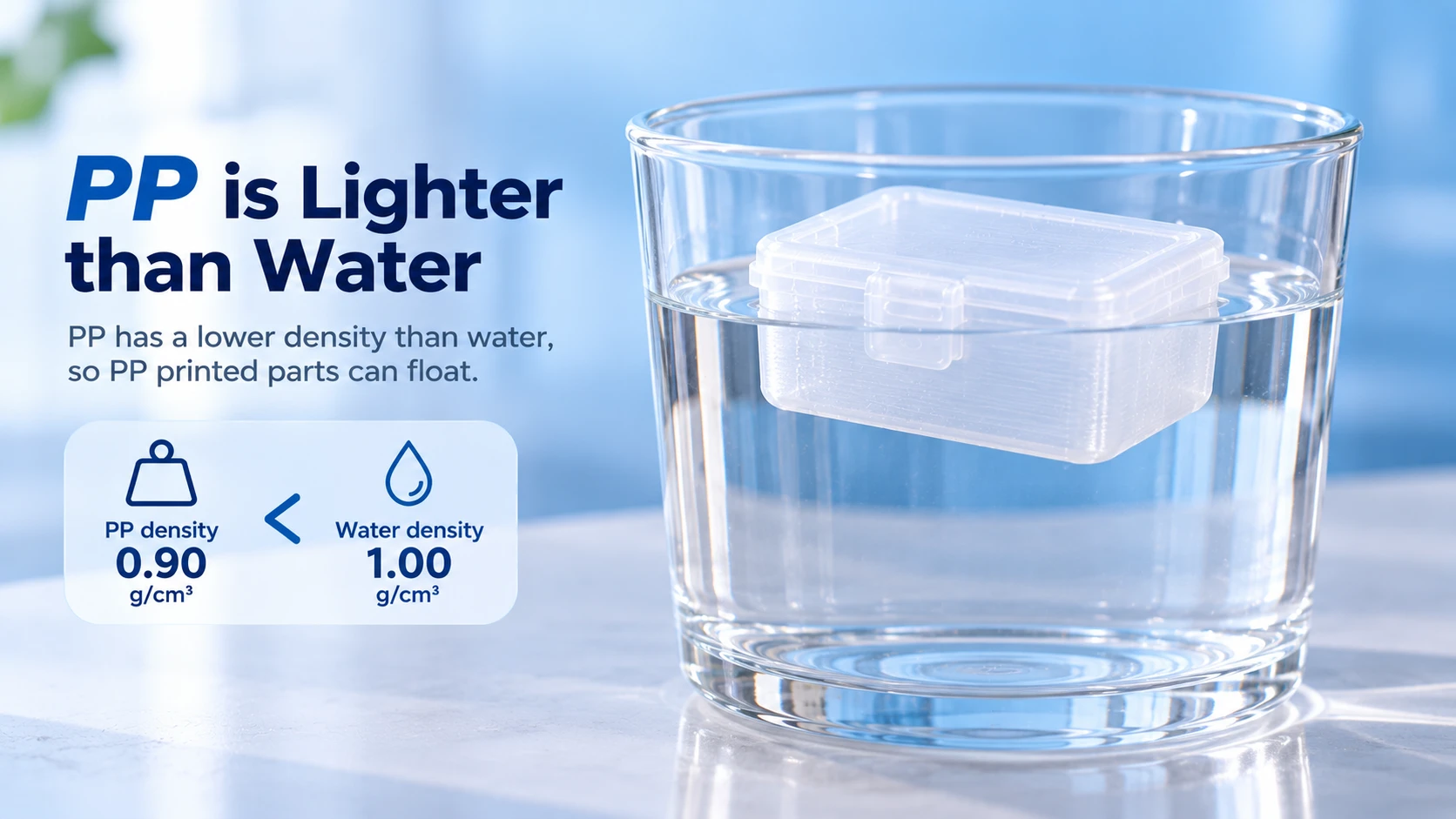
PP's density is only about 0.90 g/cm³, lighter than water, making it one of the lowest-density commodity plastics. This article explains why it is so light, the benefits lightness brings, and how this lightweight advantage is brought into 3D printing.