`pp-vs-pla-petg-3d-printing-floating-parts-buoyancy`

PP vs PLA vs PETG for Floating Parts: Why PP Comes First

11/13/2026

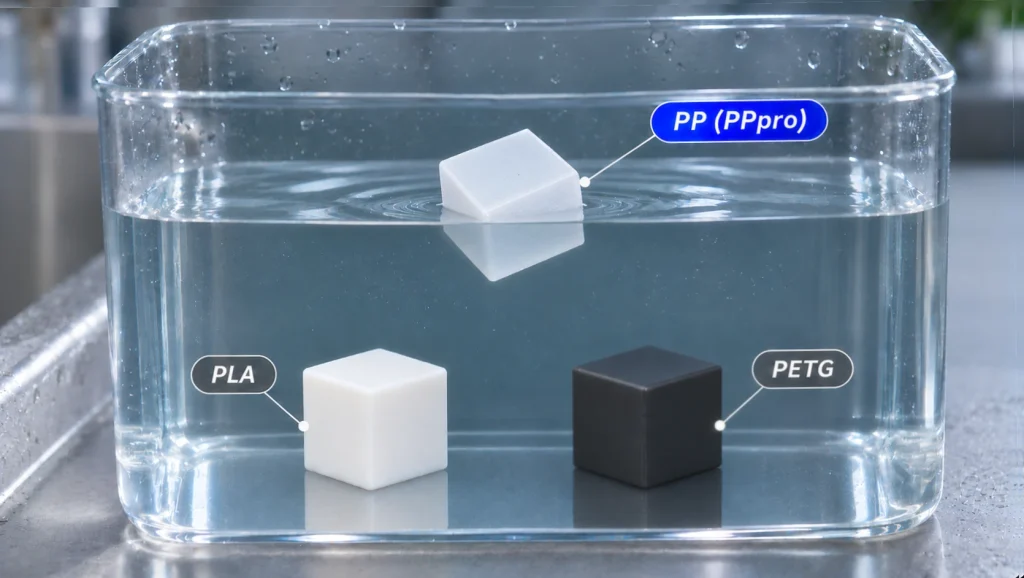
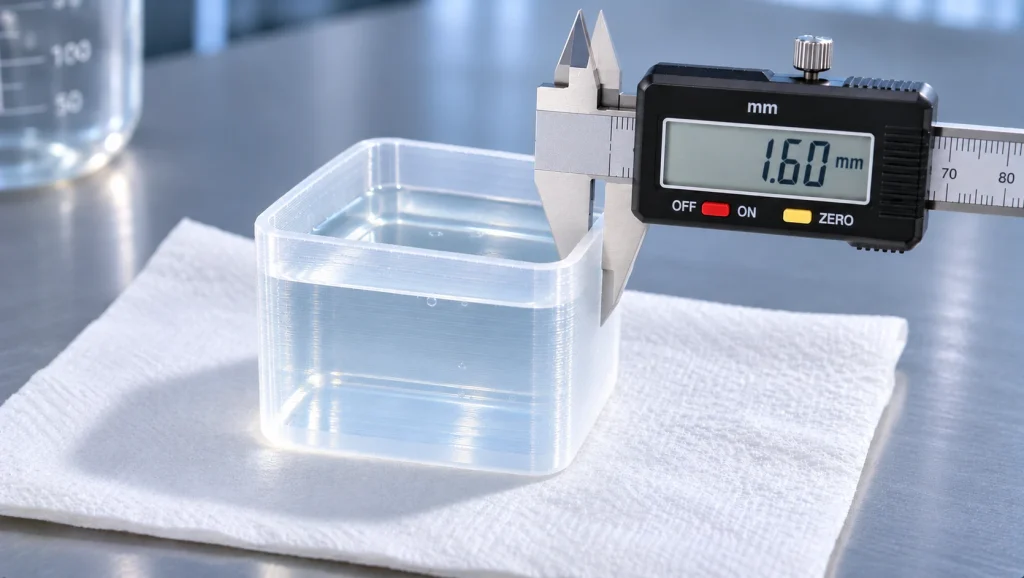
Still the same 3D printing, so why is PP the first choice for floating parts? This article compares PP, PLA and PETG on buoyancy across density, water absorption and water resistance, and tells you which material can truly go in the water.

polive-pppro-living-hinge-bend-cycle-test

Printing Living Hinges with PPpro Modified PP 3D Printing Filament: The Truth About a Million Bends

11/12/2026

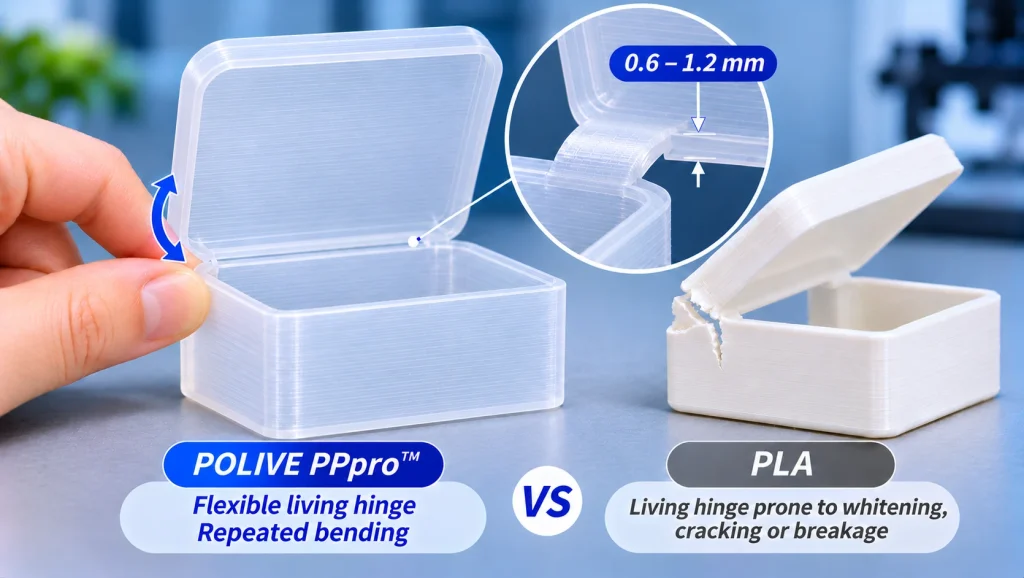
Living hinges are one of PP's strongest use cases — not because it is harder or clearer, but because it stays tough through repeated bending. But "a million bends" is not a warranty that comes with the material: wall thickness, print orientation and interlayer bonding can each shift the result by orders of magnitude. This article sets out the real ceiling for PP living hinges, the design rules, and where PPpro fits.

modified-pp-glass-fiber-vs-impact-copolymer-comparison

Modified PP: What Are Glass Fibre Reinforcement and Impact Copolymers For?

11/11/2026

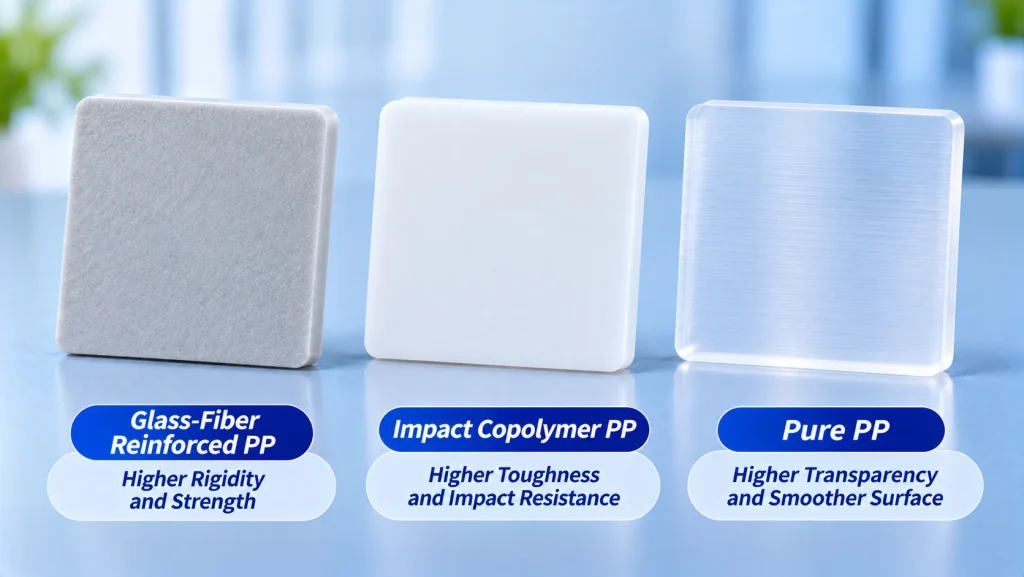
Neat PP is cheap and easy to use, but its stiffness and low-temperature toughness both have limits — hence modified PP. Glass fibre reinforcement raises stiffness and heat resistance at the cost of a rougher surface and lower toughness; impact copolymerisation introduces ethylene segments so PP is less likely to fracture in the cold. This article sets out what the two mainstream modification routes do, what they cost and where each applies.

pp-weakness-low-temperature-aging-brittle-yellowing

PP's Weak Spots: Low Temperature and Ageing

11/11/2026

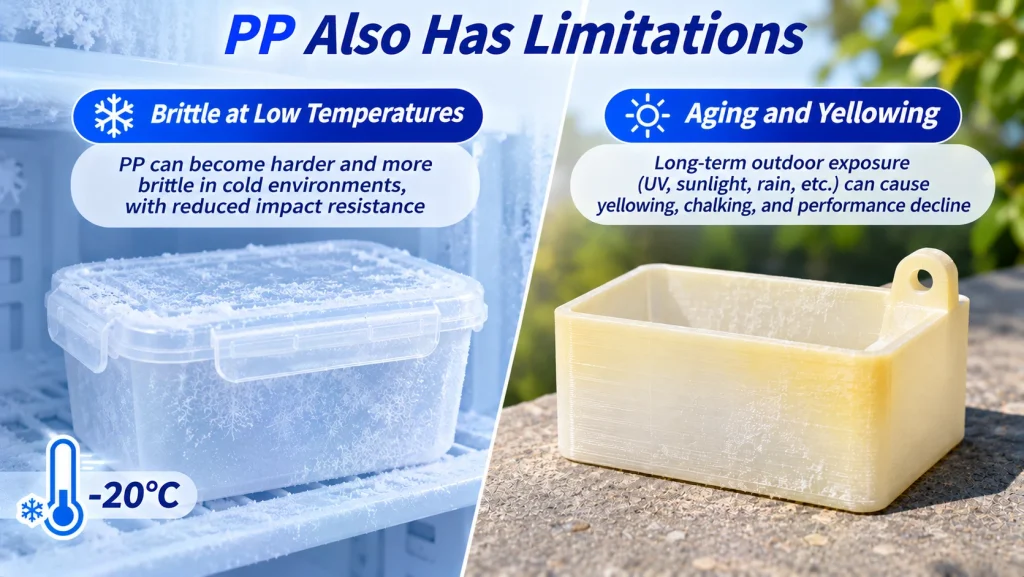
PP has two often-cited weak spots: it turns brittle in the cold and has only moderate resistance to ageing. Standard PP loses toughness markedly at sub-zero temperatures, so freezer applications need impact copolymer grades; long-term outdoor use requires light stabilisers and antioxidants, or the part yellows and becomes brittle within a few years. This article explains how both weaknesses show up, why they happen, and what they mean for choosing a 3D printing material.

pp-food-contact-standard-gb4806-7-test-report

What Standards Must PP Food Contact Materials Meet?

11/10/2026

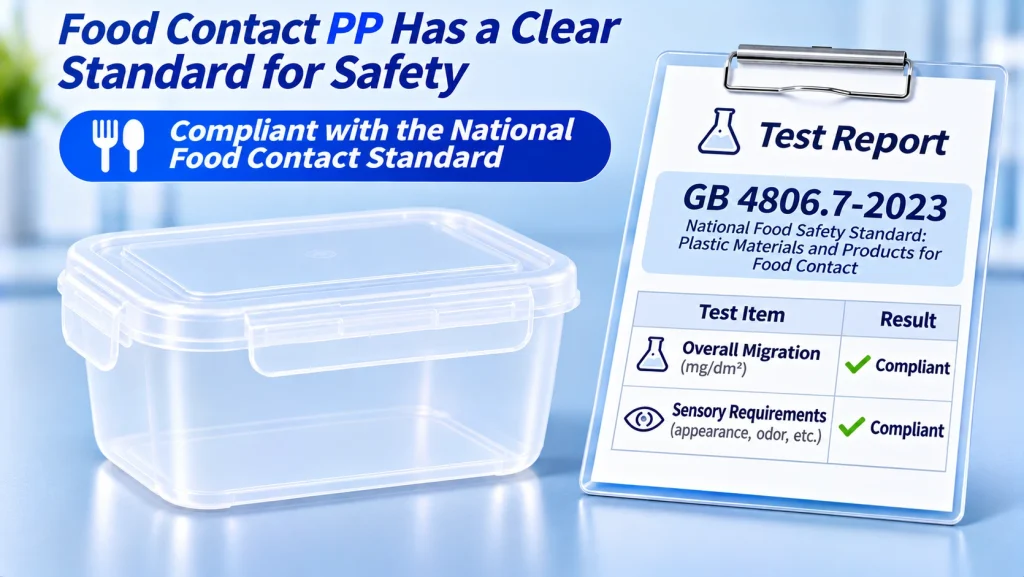
Plastics that hold food are not held to the same standard as ordinary plastics. In China the GB 4806 series applies, with GB 4806.7 covering plastics. At the heart of the standard is "how much can migrate out": overall migration, specific migration, sensory requirements and heavy metals. This article explains what the standard requires, how consumers can judge a product, and where PPpro draws the line in its wording before certification is obtained.

pp-recycling-number-5-clean-container-recycled-pellets

Recycling Code 5: How Is PP Recycled?

11/10/2026

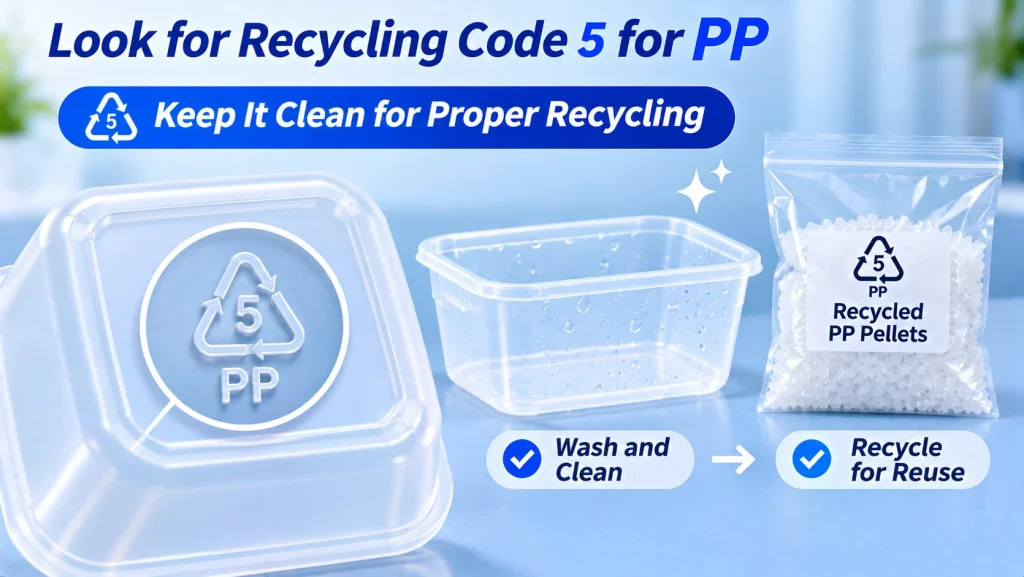
Inside the triangular symbol on the bottom of a plastic product, the number 5 stands for PP. In theory PP is recyclable: after collection it can be turned into regrind for crates, pallets, flower pots and the like. But "recyclable" does not mean "actually recycled" — oil contamination, mixed materials and the collection system all affect where it ends up. This article explains how PP is recycled, where the process breaks down, and the story of chemical recycling behind 3D printing filament.