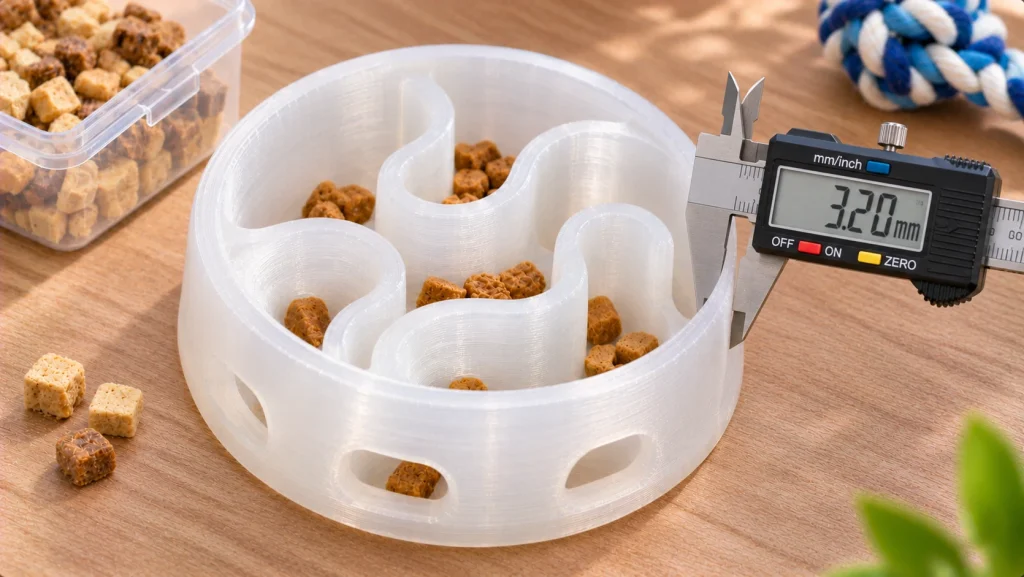
材料对了设计就安全了?3D 打印宠物用品的 3 个设计红线
11/21/2026
选对了安全无毒的 PPpro 线材,只成功了一半。对于宠物用品来说,结构设计的缺陷往往比材料本身更致命。本文深度解析 3D 打印宠物用品的 3 个设计红线,帮你避开误吞与细菌滋生的隐患。
11/21/2026
选对了安全无毒的 PPpro 线材,只成功了一半。对于宠物用品来说,结构设计的缺陷往往比材料本身更致命。本文深度解析 3D 打印宠物用品的 3 个设计红线,帮你避开误吞与细菌滋生的隐患。
11/19/2026
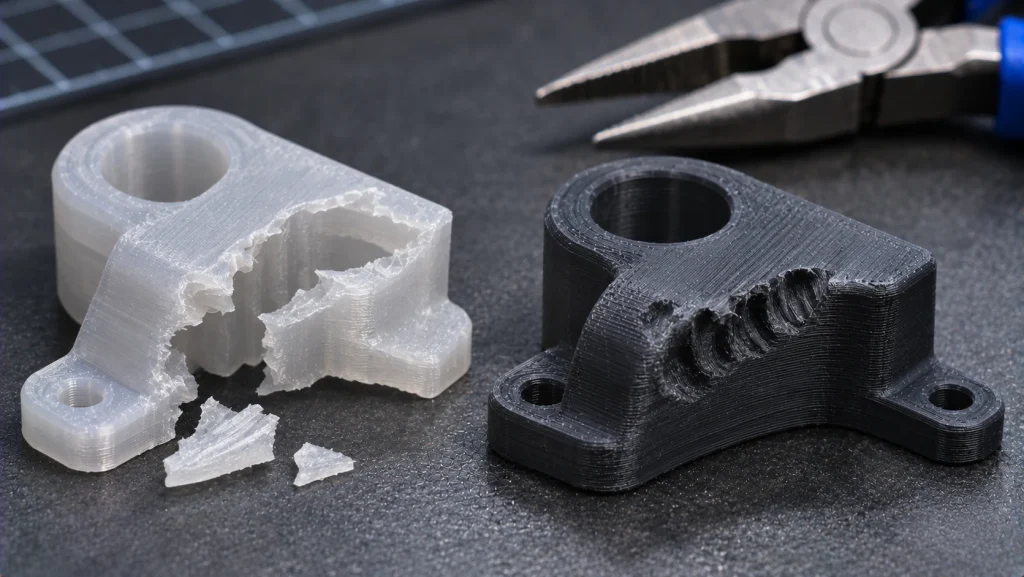
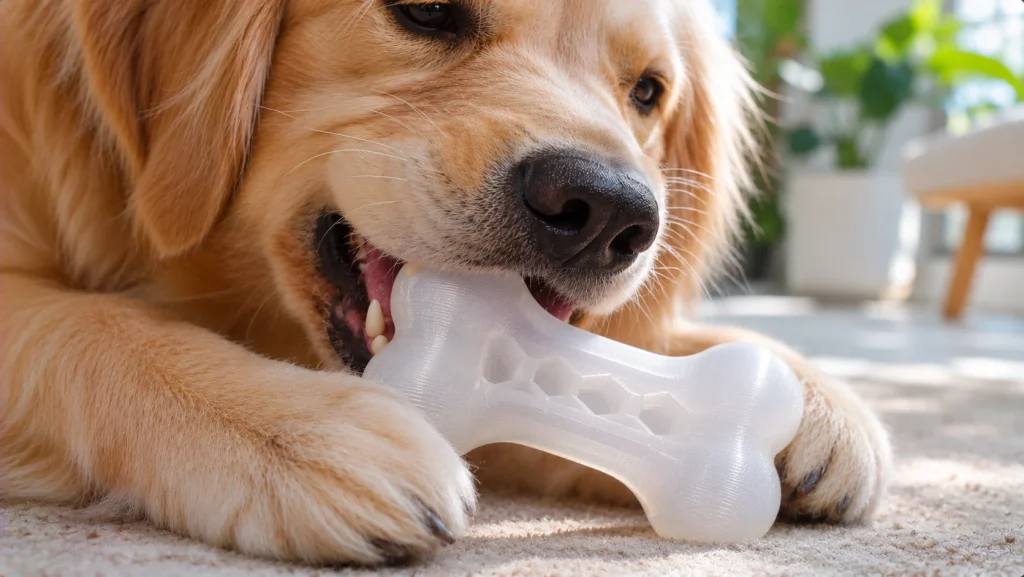
For chew toys, safety comes first. Beyond PLA and PETG, why is PP the safer material choice for 3D-printed pet products? This article looks at material safety and physical toughness to show you how to print a worry-free toy for your pet.
11/19/2026
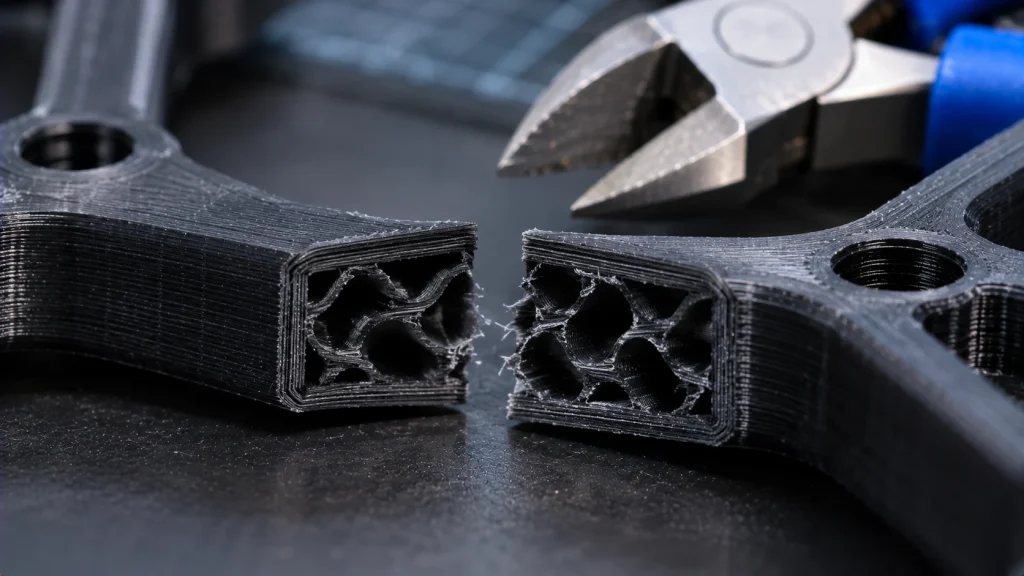
With PPpro chosen, how do you slice it to unlock the full limits of weight and strength? This guide shows how to set wall thickness, infill and print temperature to produce drone parts that are light yet crash-proof.
11/18/2026
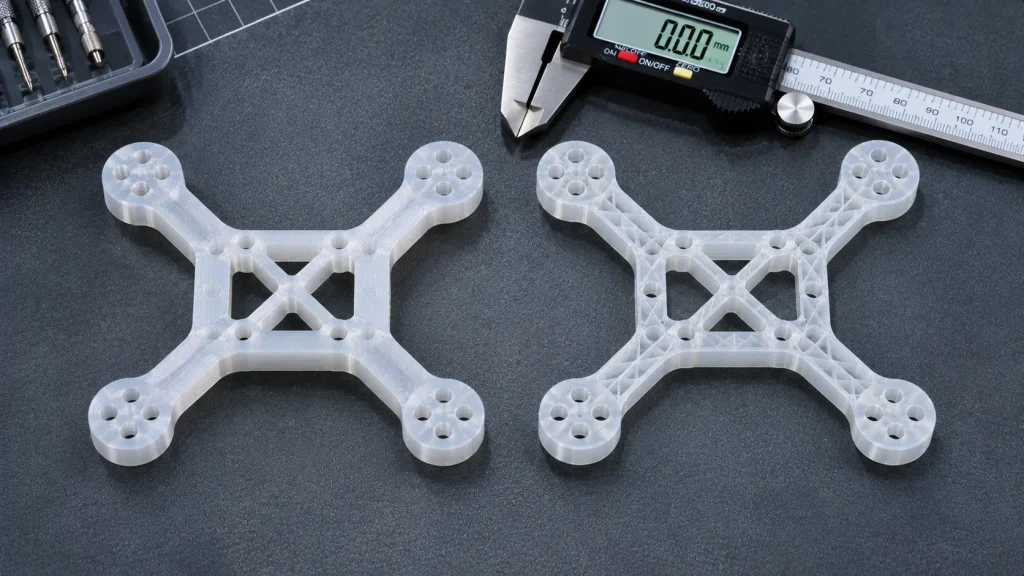
PLA, PETG or PP for drone parts? This article compares them across density, impact resistance and fatigue resistance in a side-by-side table, and shows why PP wins the weight-saving and crash-survival contest for RC models.
11/18/2026
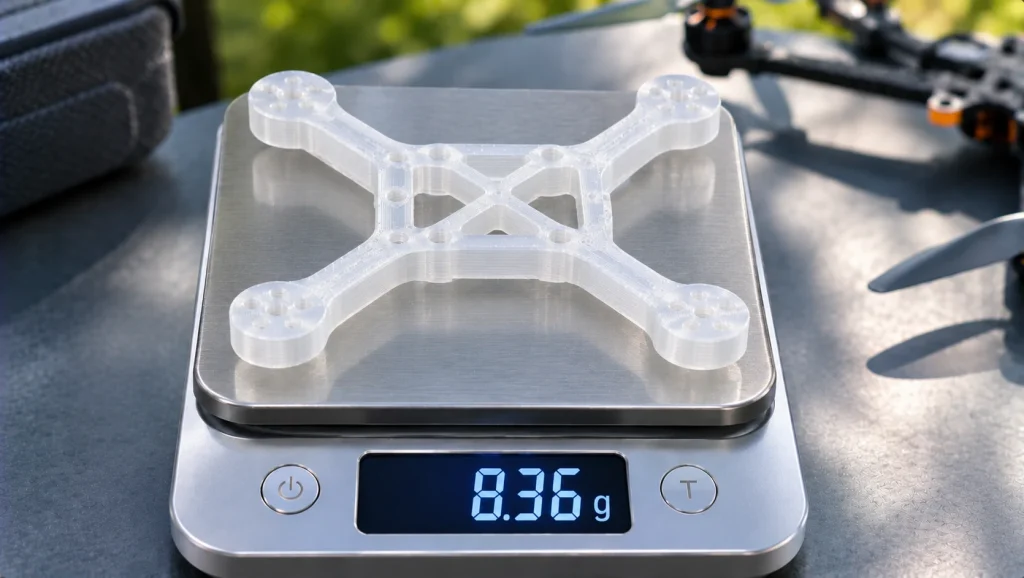
In the RC and drone world, every gram saved means more flight time. This article explains why PP with a density of just 0.90 is an ideal material for drone frames and propeller parts, and how to make the most of its toughness and lightweight advantage.
11/17/2026
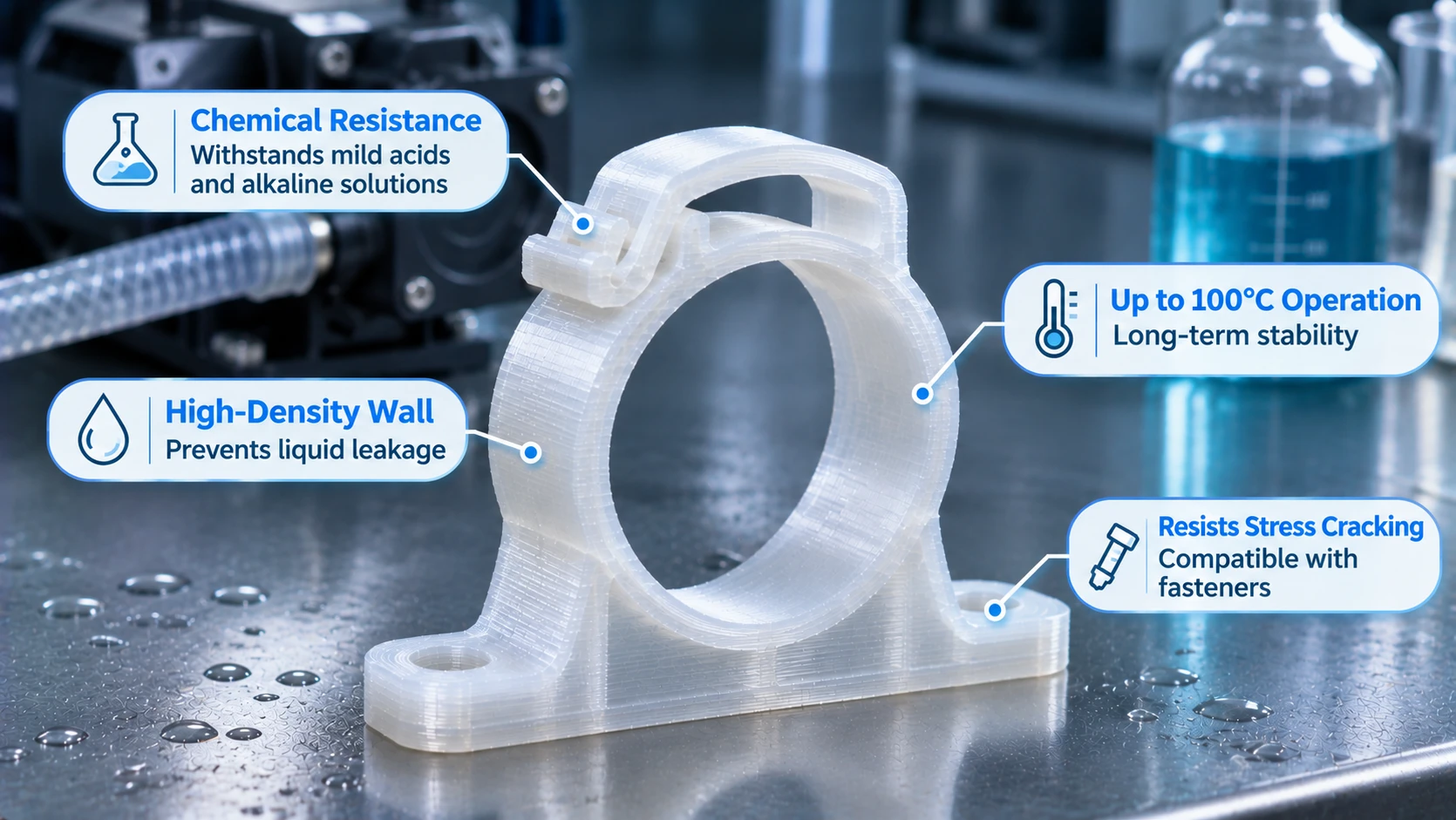
Beyond prototyping, where can chemically resistant parts printed with PPpro go straight to work? This article surveys 4 scenarios — water treatment, laboratories, cleaning equipment and car care — and shows how to put acid- and alkali-resistant material to use.
11/17/2026
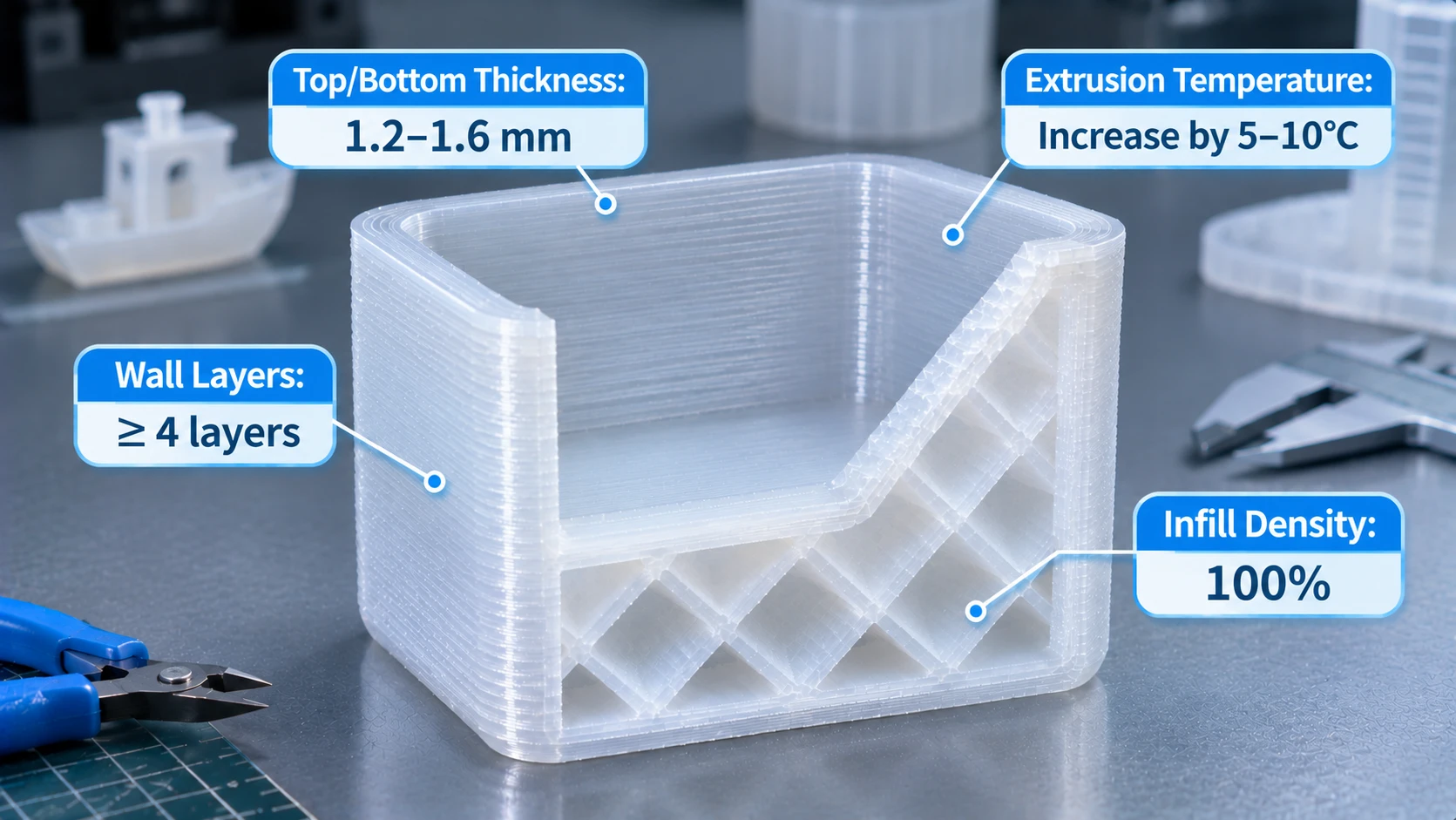
装酸碱、装溶剂的零件,打出来漏液等于白干。本文教你如何通过调整切片参数,打印出极致致密、防渗漏的 PP 功能件。
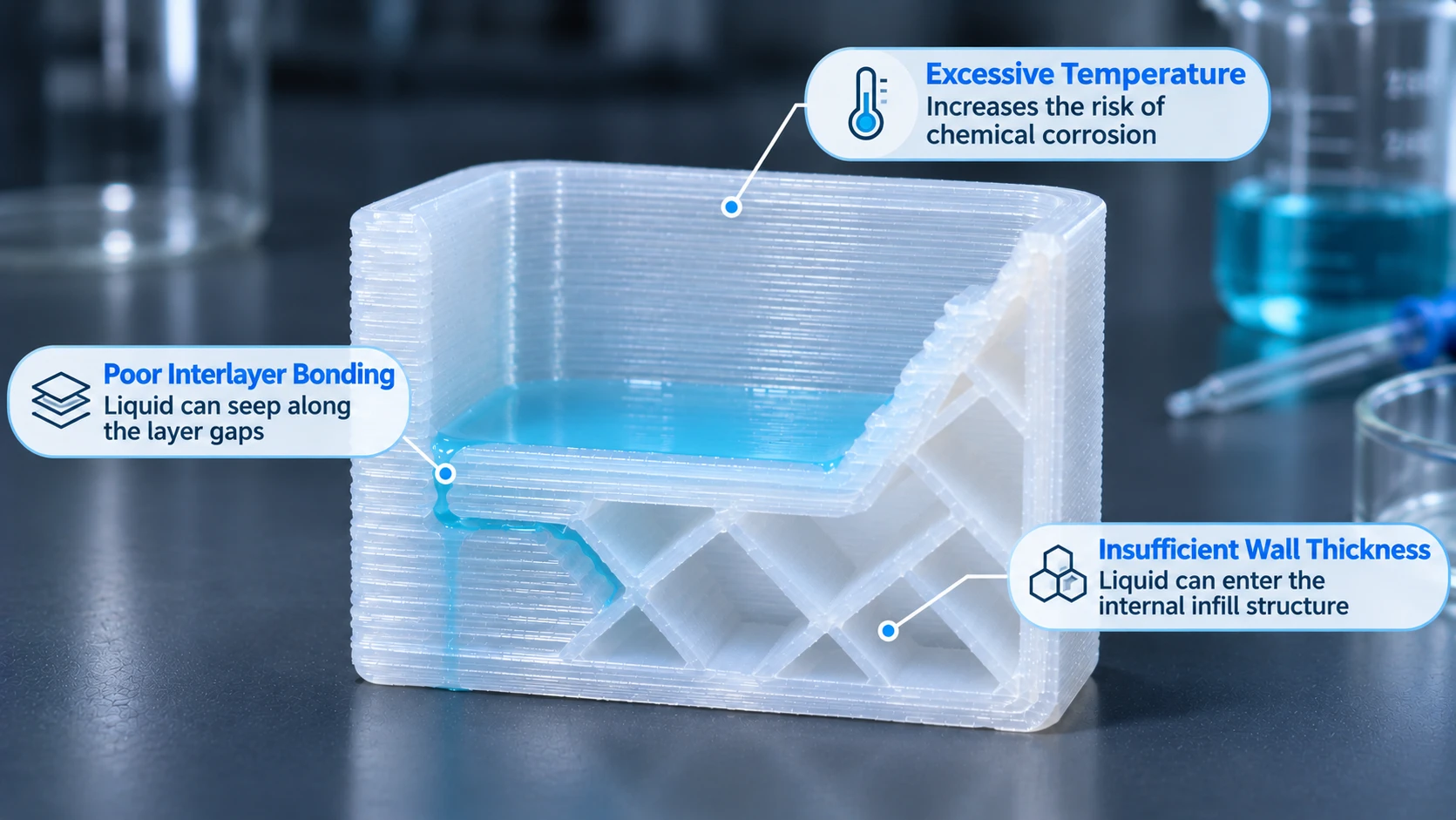
11/16/2026
You used acid-and-alkali-resistant PP, yet the part holding chemicals leaked or cracked within days? The problem may not be the material but your design and printing approach.
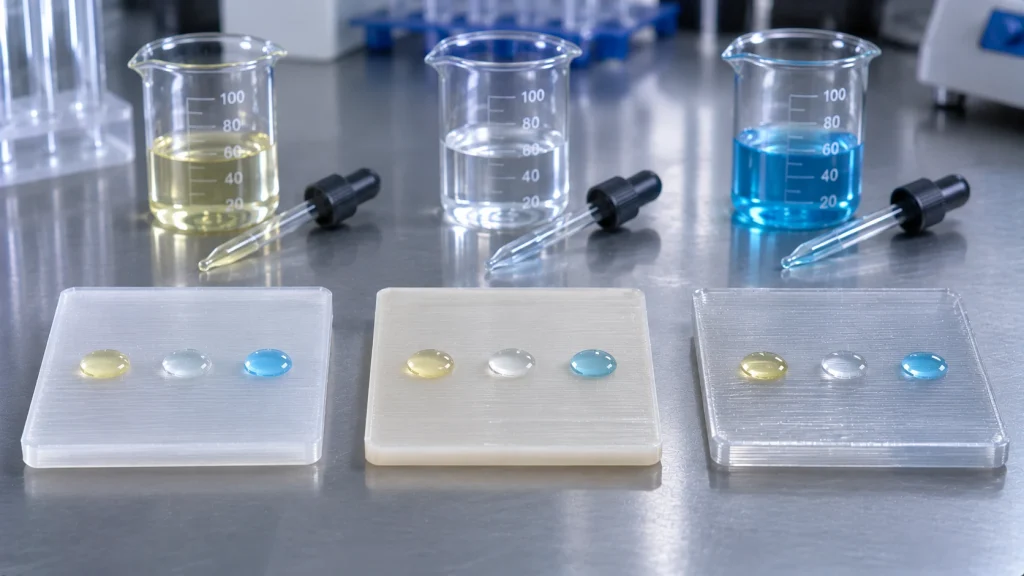
11/16/2026
For chemical fittings, laboratory ware or cleaning equipment parts, a material without corrosion resistance turns the print into scrap. This article compares the real chemical resistance of PP, PVC and PETG so you can avoid the selection pitfalls.
Materials Made Simple.
No. 5, Zhuzaiwan 9th Road, Pinghu Street, Longgang District, Shenzhen
+86 177 0406 3466
info@polive3d.com