pp-molecular-structure-carbon-hydrogen-methyl-branch

PP's Molecular Structure: Why It Consists Only of Carbon and Hydrogen

11/02/2026

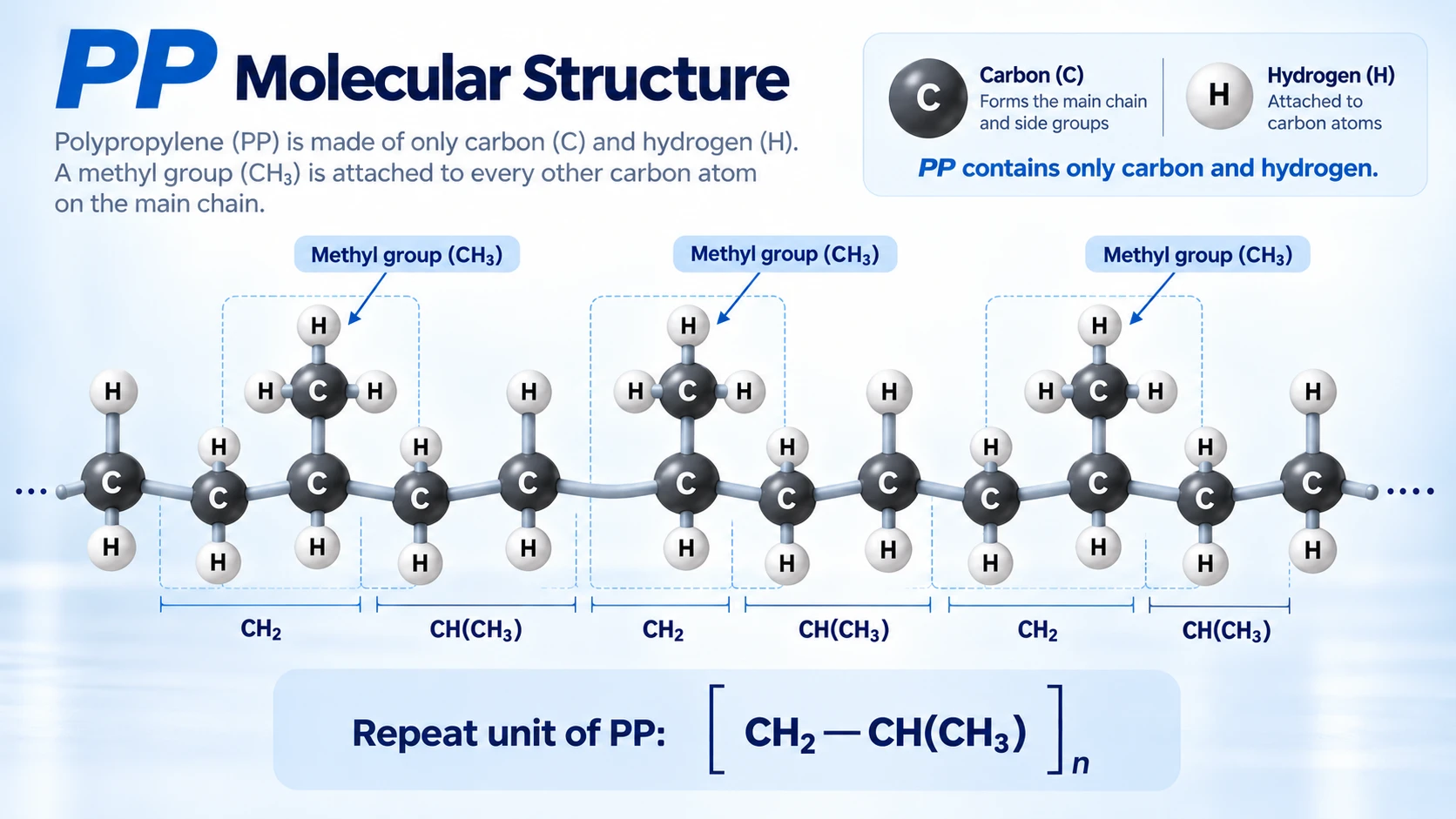
PP's molecular formula is (C₃H₆)ₙ; its backbone consists only of carbon and hydrogen, and its form is a long chain. This article clarifies what its molecular structure looks like, why it has only carbon and hydrogen, and which chemical fundamentals this structure determines.
pp-medical-auxiliary-products-infusion-bottle-syringe

Why PP Is Widely Used in Medical Auxiliary Products

11/02/2026

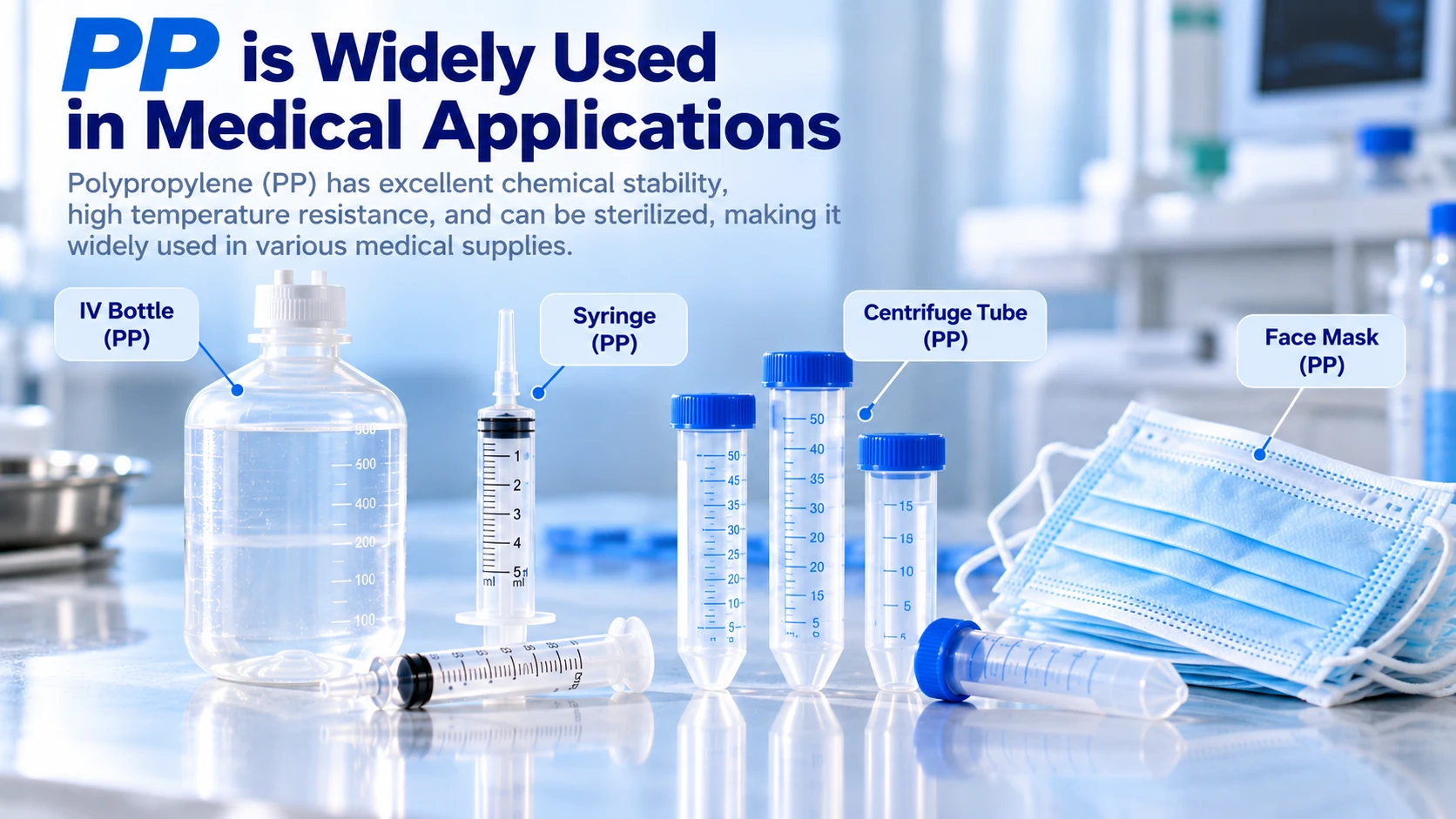
IV bottles, syringes, centrifuge tubes, petri dishes, masks, protective clothing—PP is everywhere in medical settings. This article explains why it is widely adopted by the medical industry—high-temperature sterilization resistance, strong chemical inertness, easy processing, and low cost—and which boundaries must be respected when printing PP medical auxiliary parts.

pp-lowest-density-commodity-plastic-floats-on-water

Why PP Is One of the Lowest-Density Commodity Plastics

10/31/2026

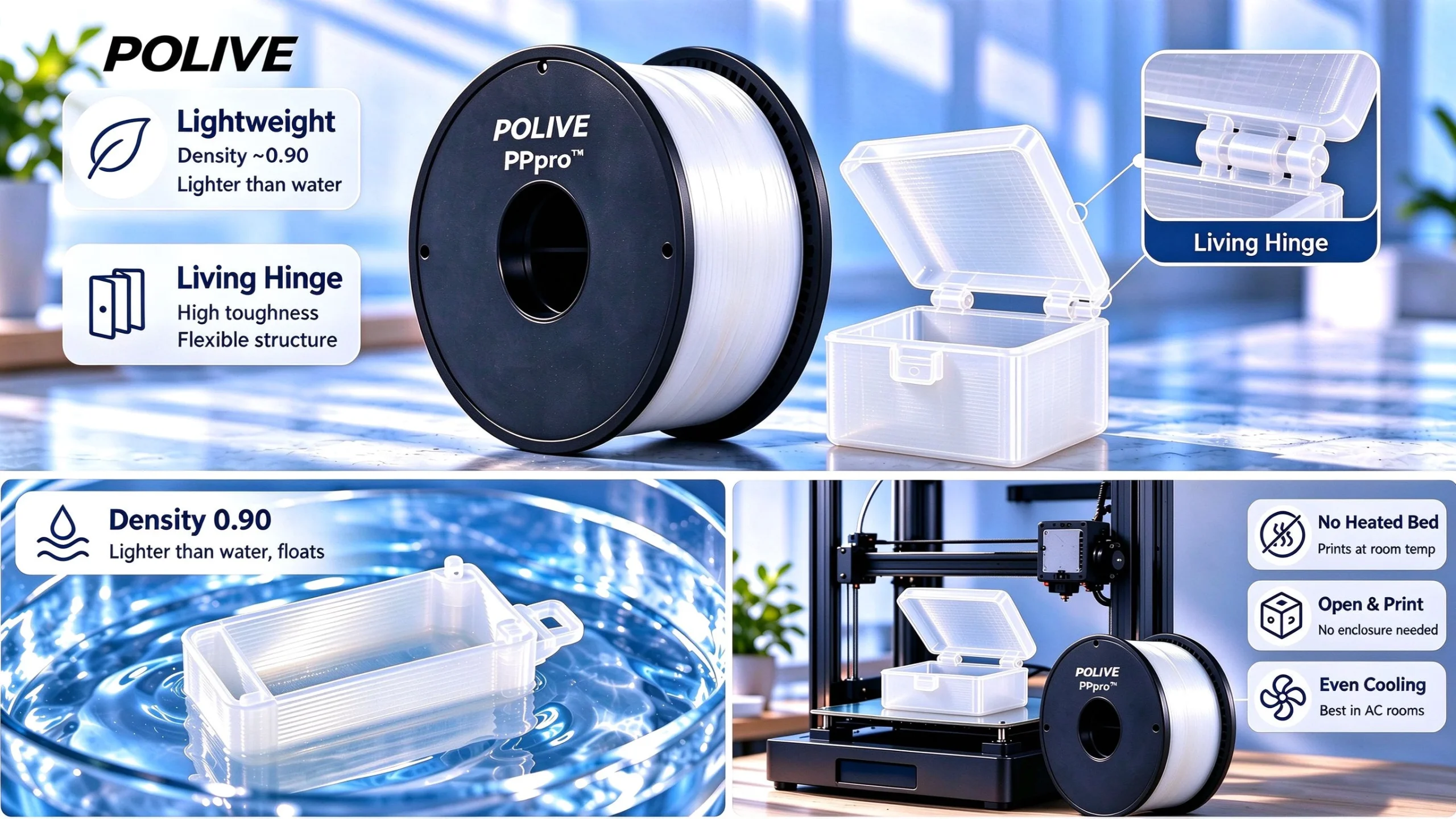
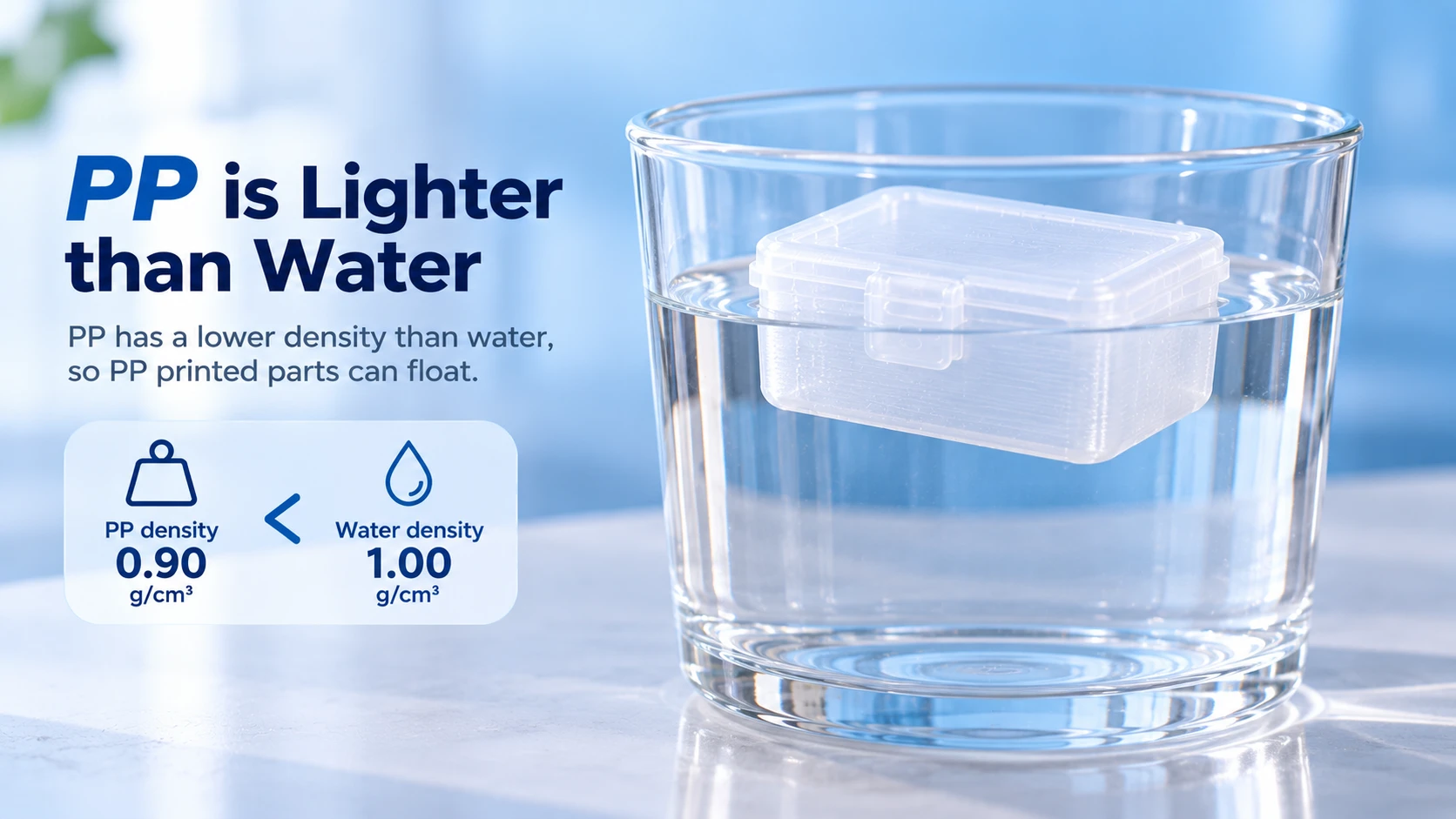
PP's density is only about 0.90 g/cm³, lighter than water, making it one of the lowest-density commodity plastics. This article explains why it is so light, the benefits lightness brings, and how this lightweight advantage is brought into 3D printing.

what-is-polypropylene-pp-products-recycling

What Is PP? Understanding Polypropylene at a Glance

10/31/2026

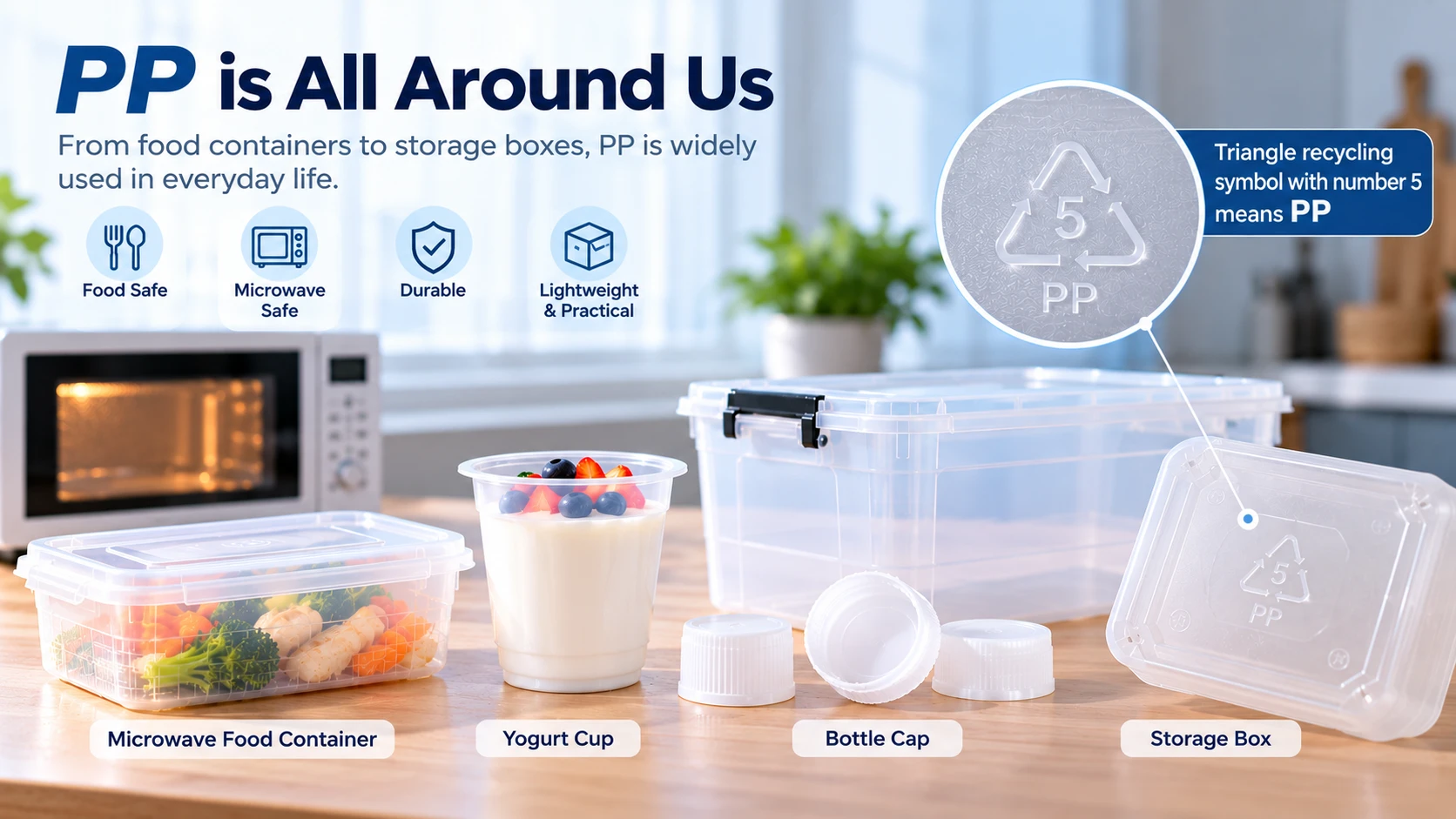
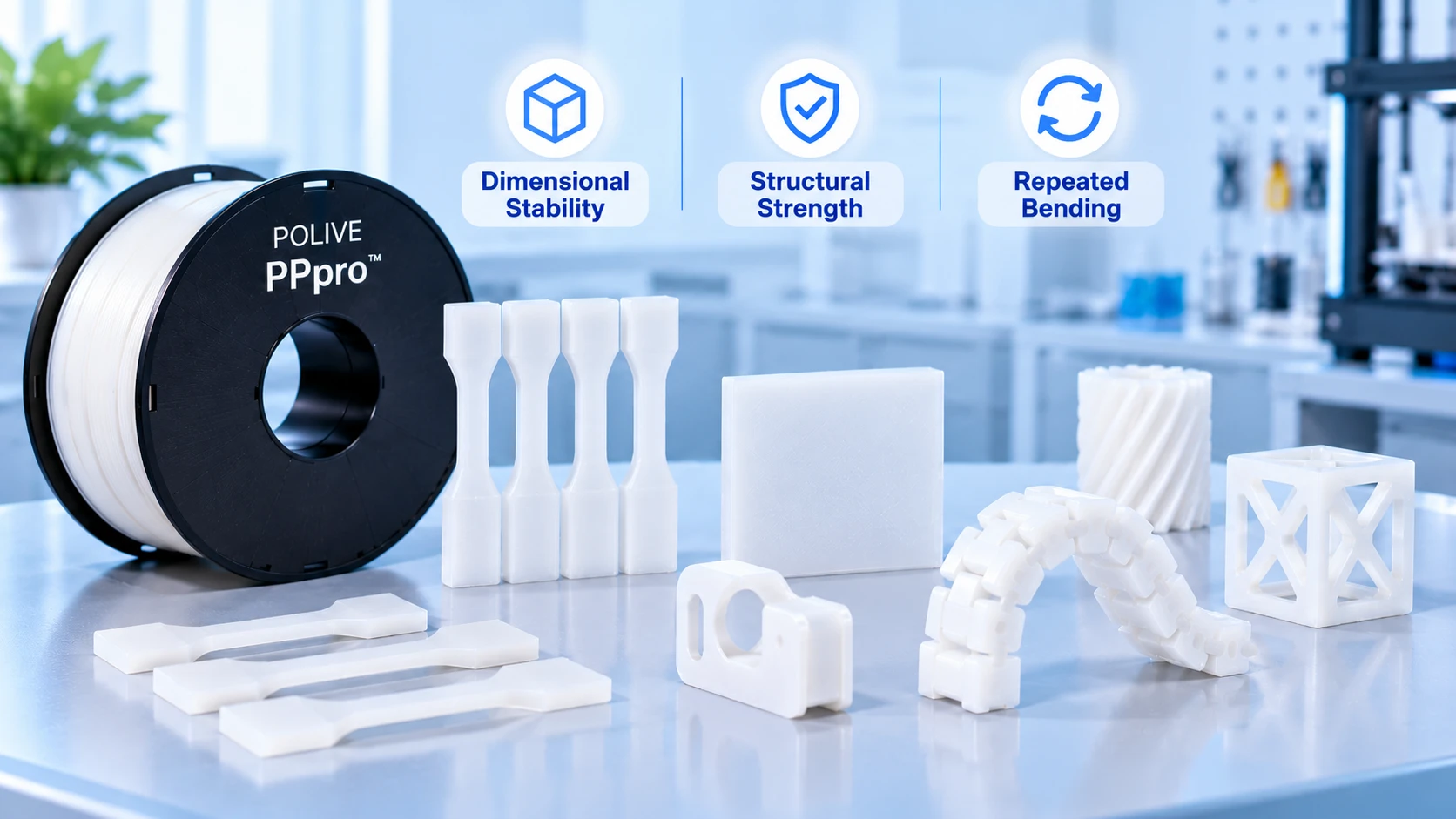
This article provides a comprehensive overview of PP (polypropylene), analyzing its properties from chemical structure to lightness, heat resistance, and chemical resistance, and discusses its advantages in 3D-printed functional parts when combined with modified PP filament.**